




26 YEARS LATER
Merak debuted in 2000 with Romāns Vainšteins' win at the World Championship in Plouay, and has never stopped evolving since: from aluminum to today's high-modulus carbon, passing through hydroforming and a hybrid aluminum-carbon phase. Materials change, the promise stays the same: to be fast whenever the road and the rider ask it to be.
THREE SOULS. ONE MERAK.
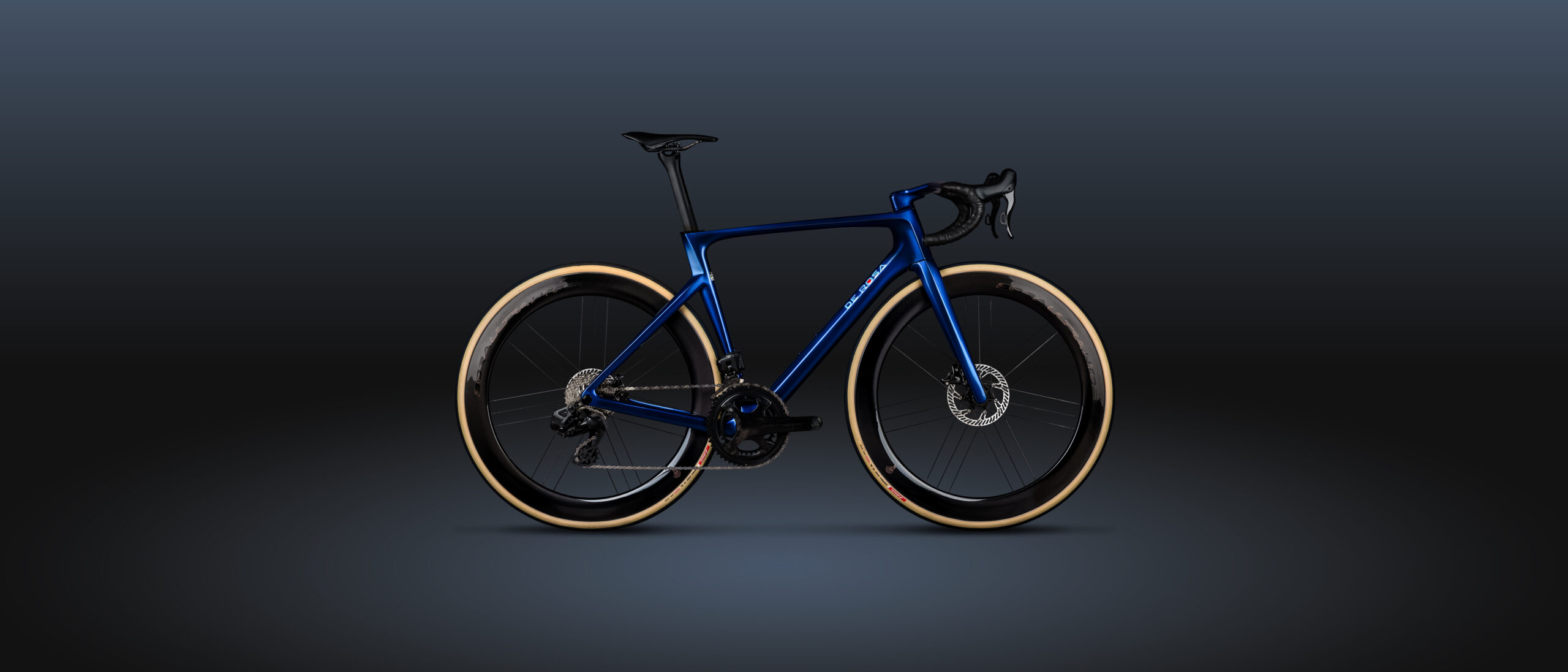
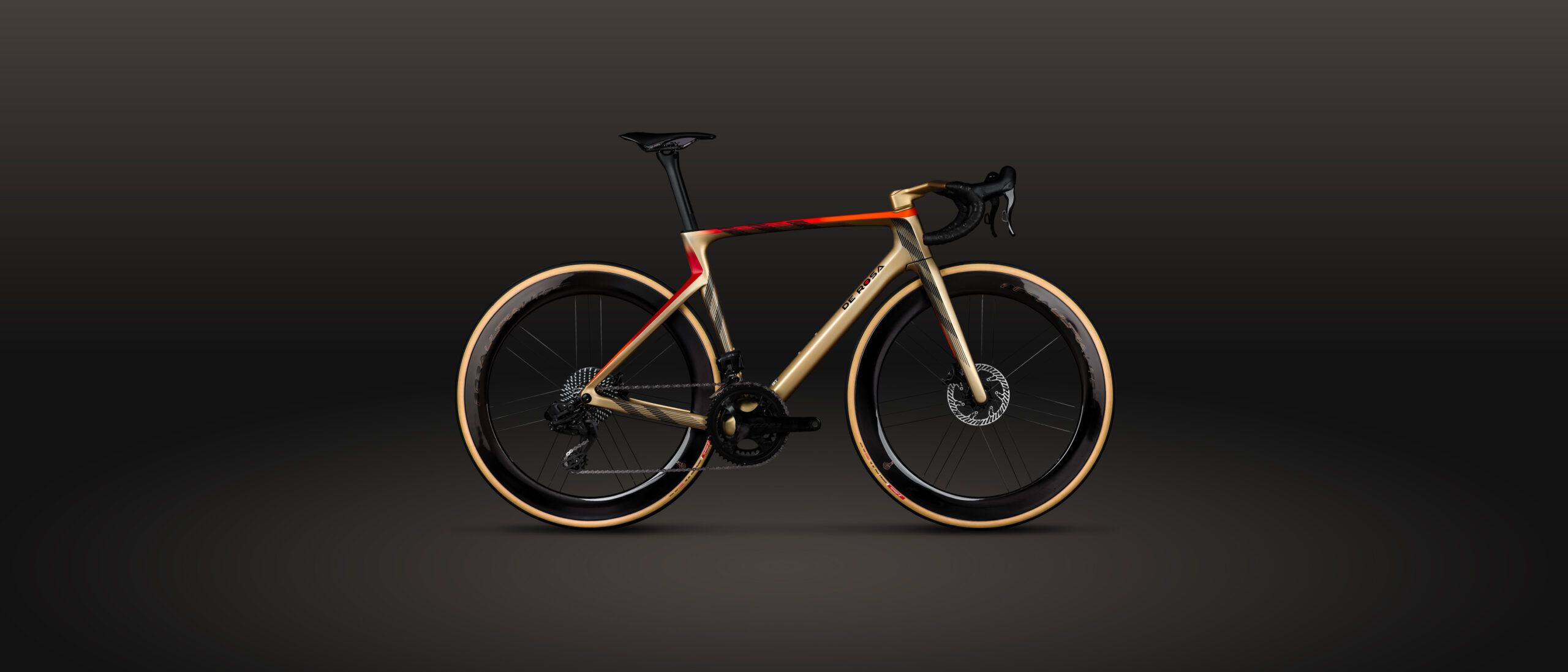
The visual language changes. The new Merak looks at its own bright history without reproducing it: memory and contemporary design coexist, without turning into a heritage exercise. The technical project is one, only the language and the way of interpreting it change.
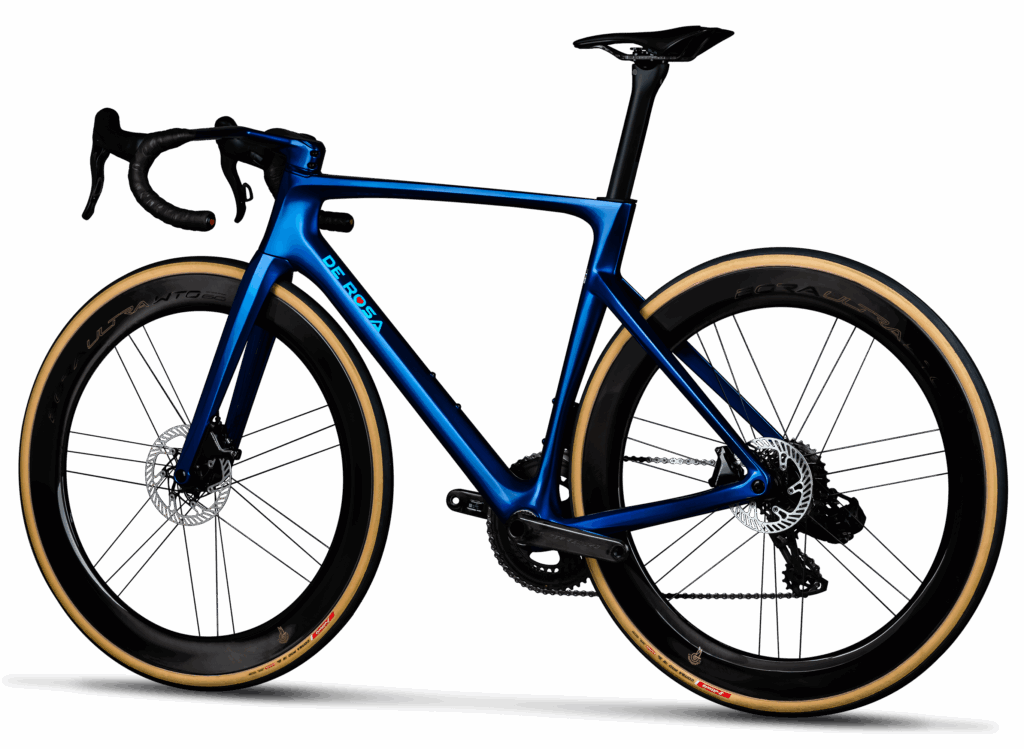
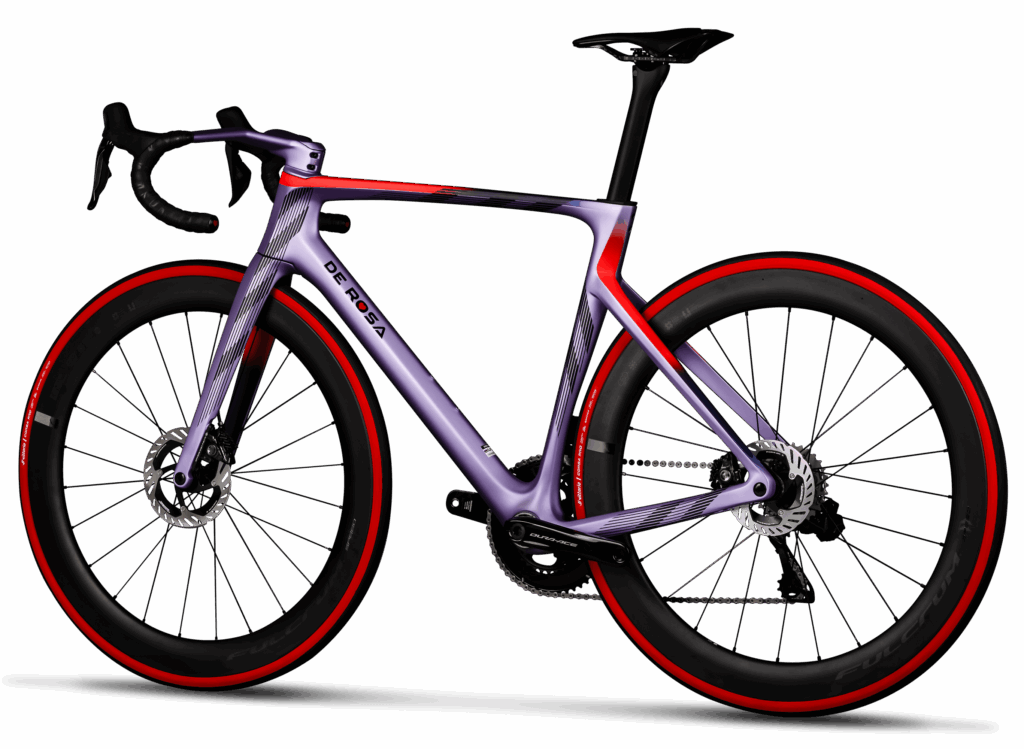
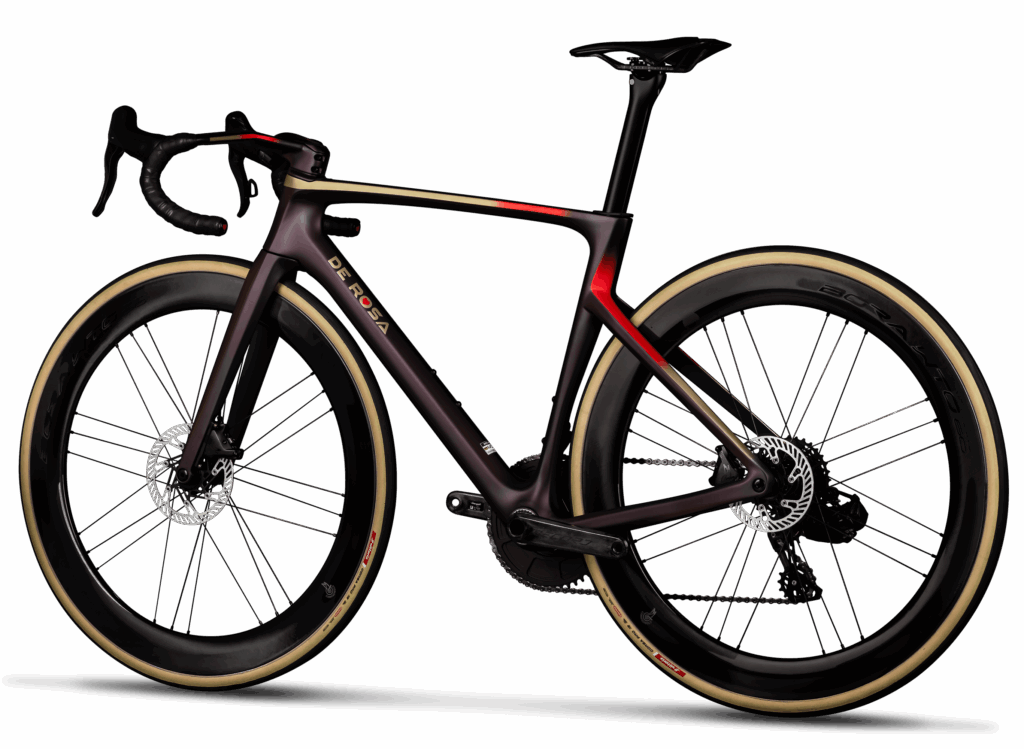
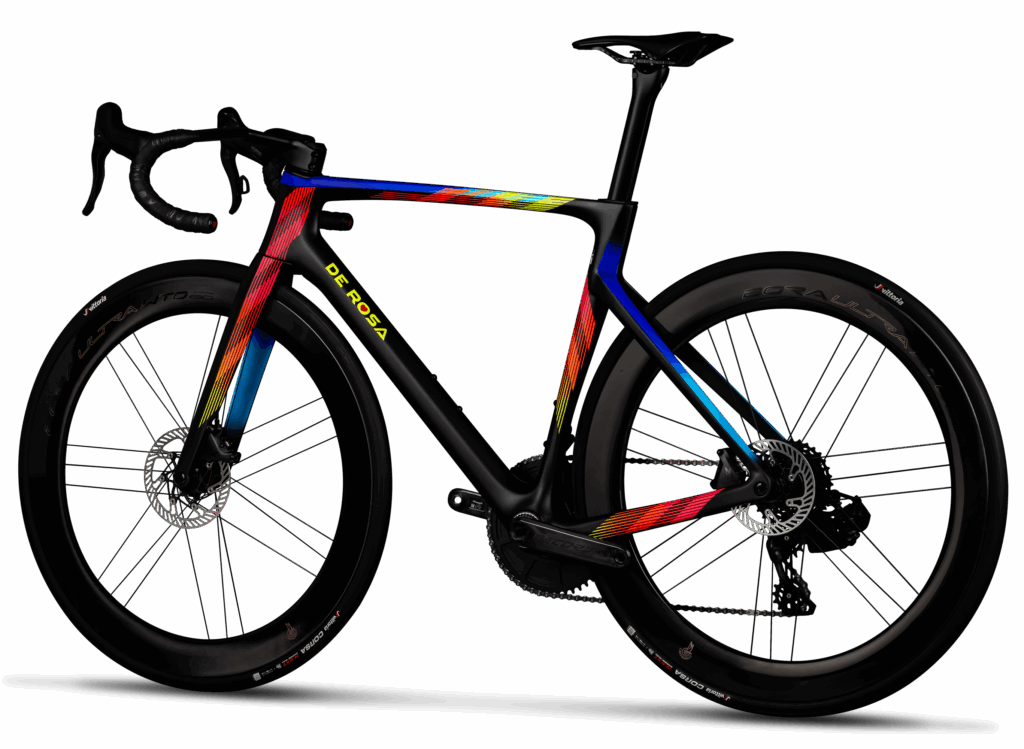
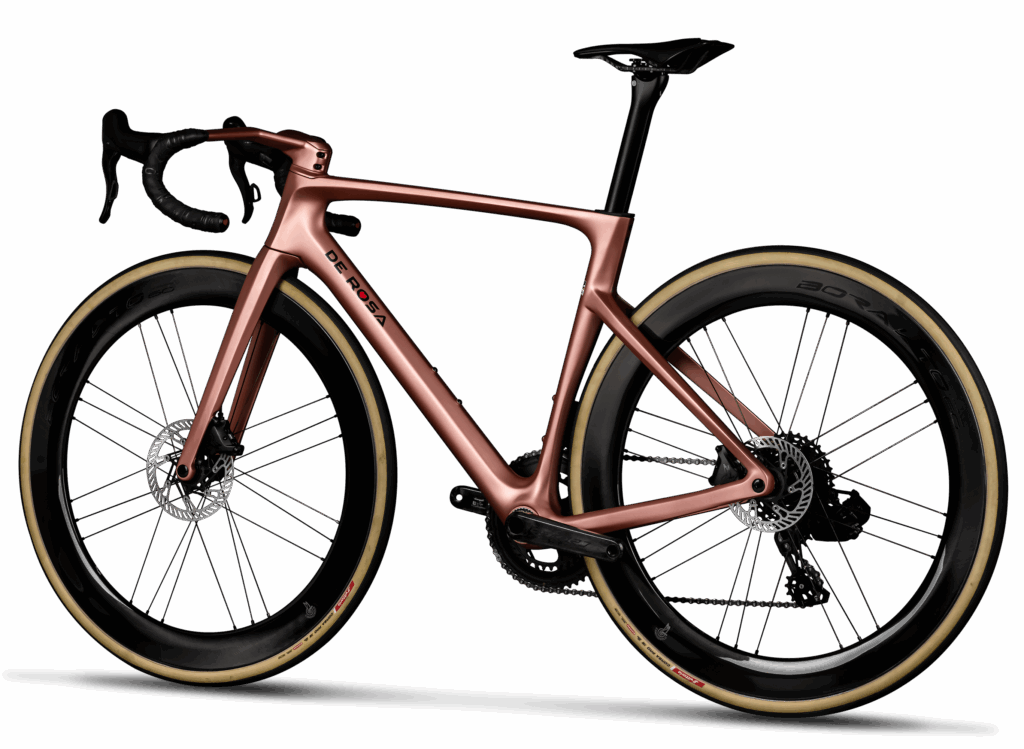
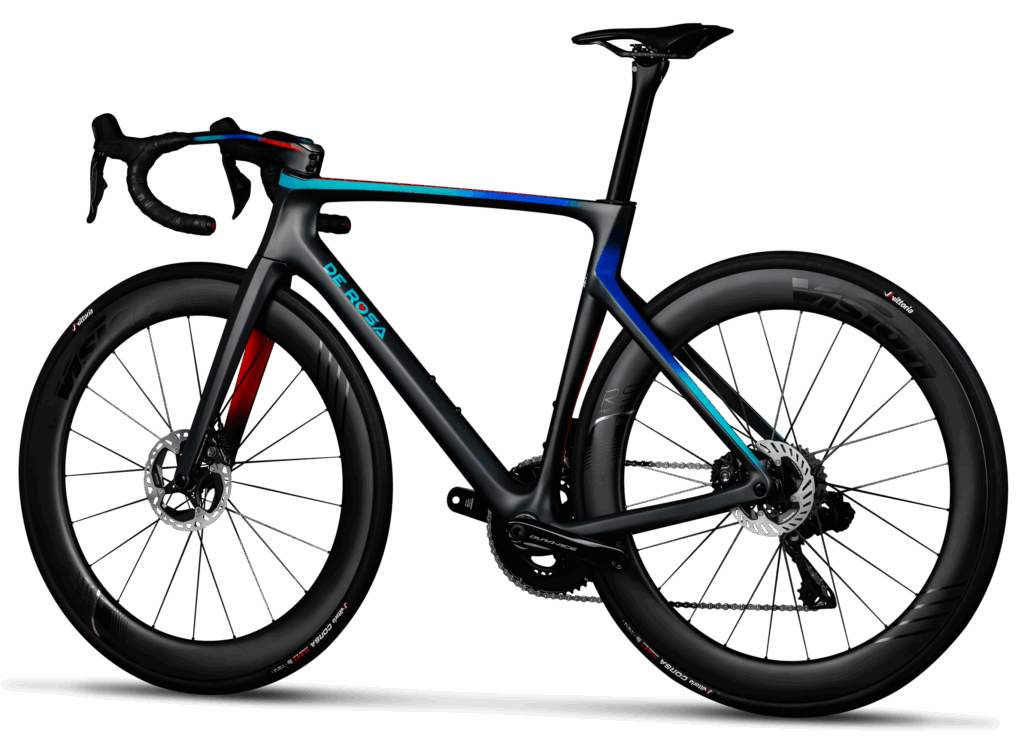
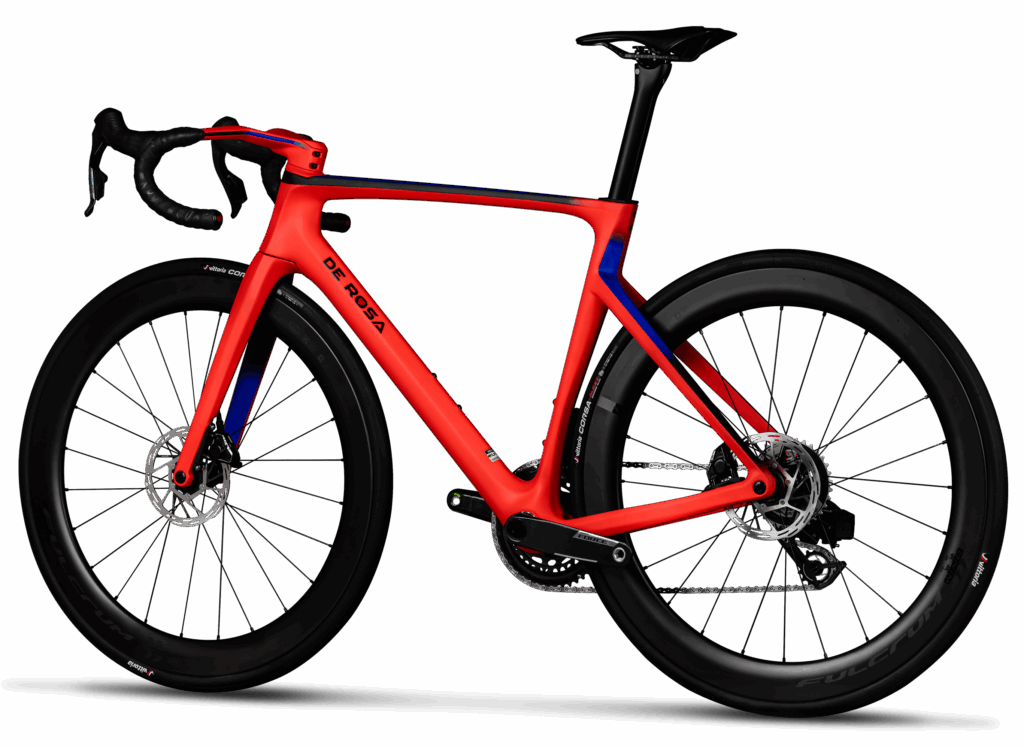
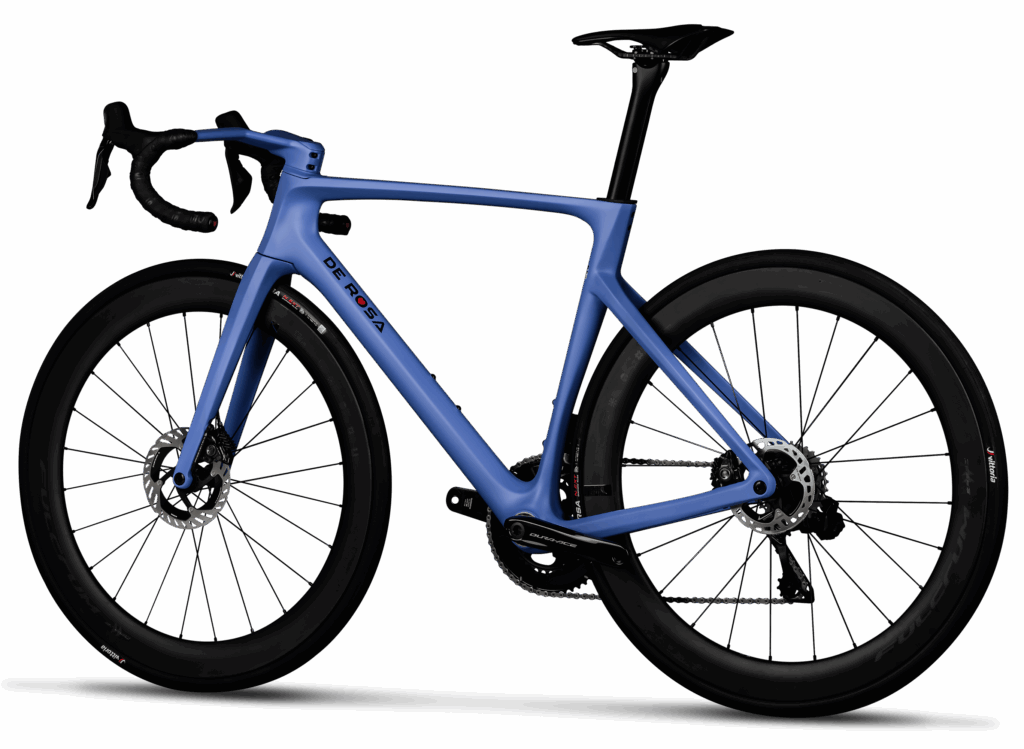
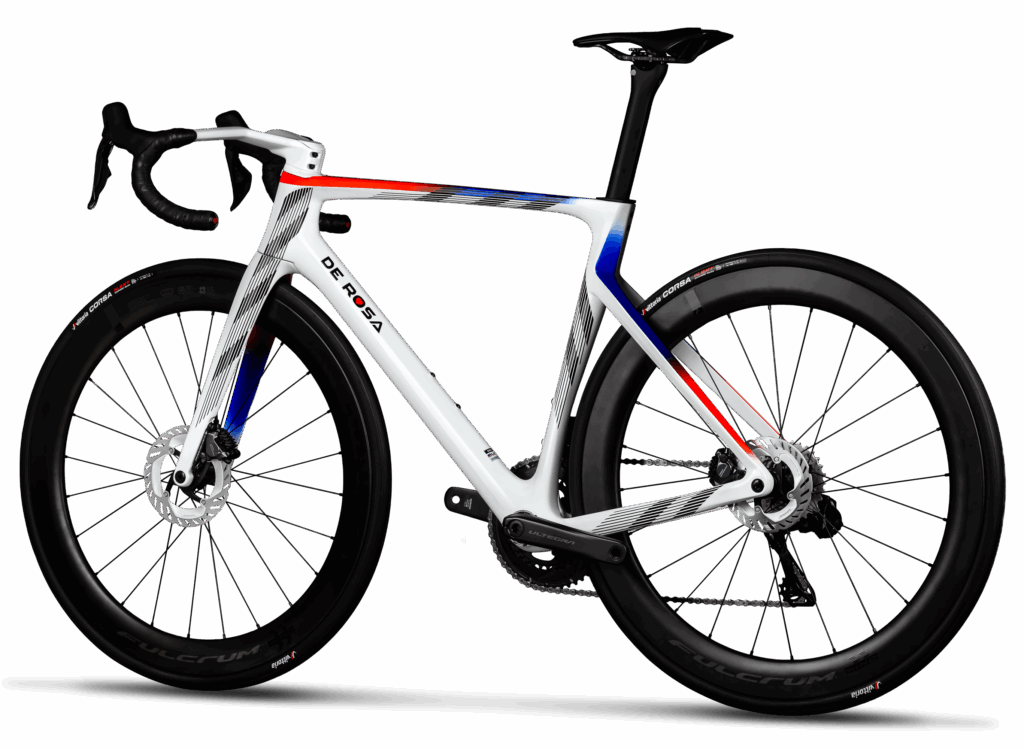
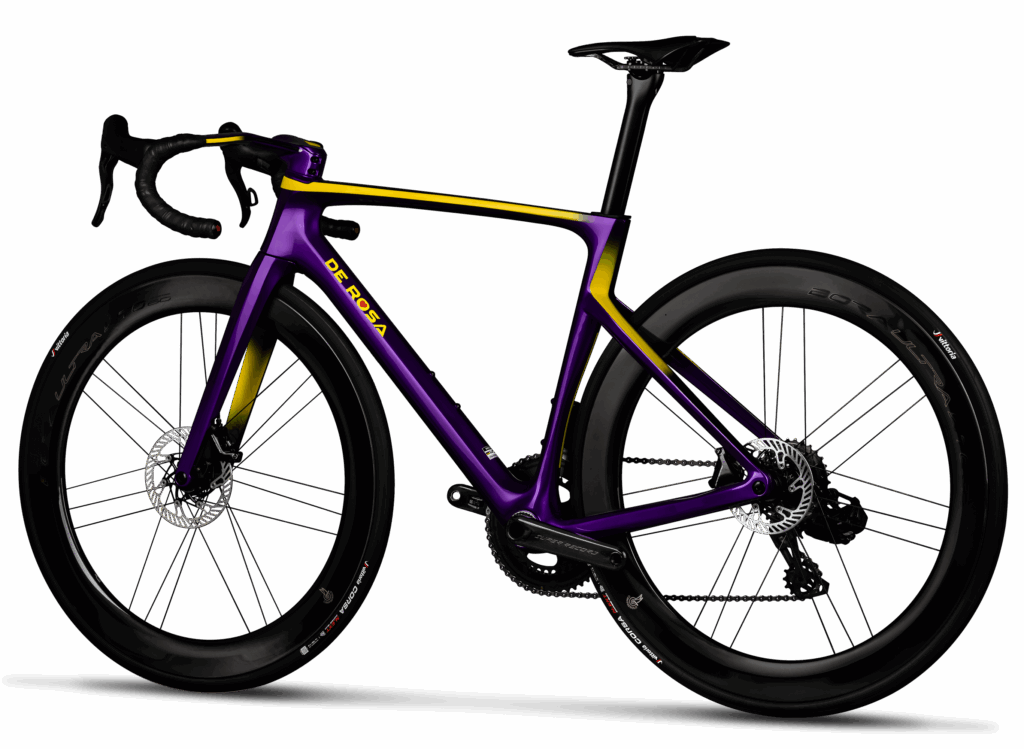
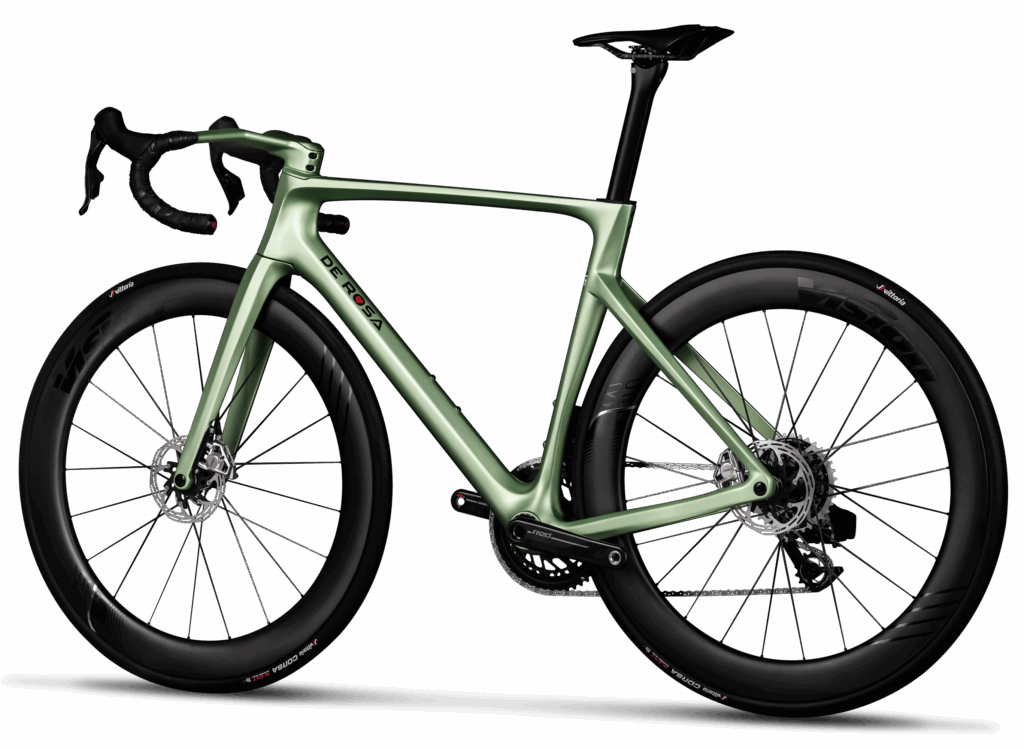
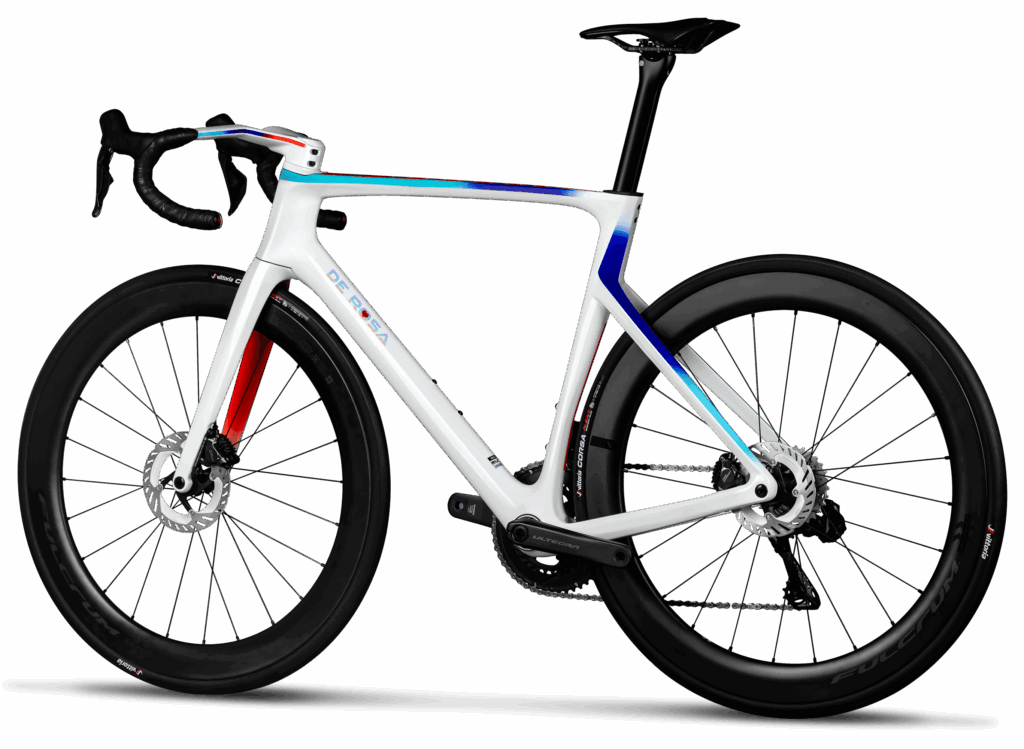
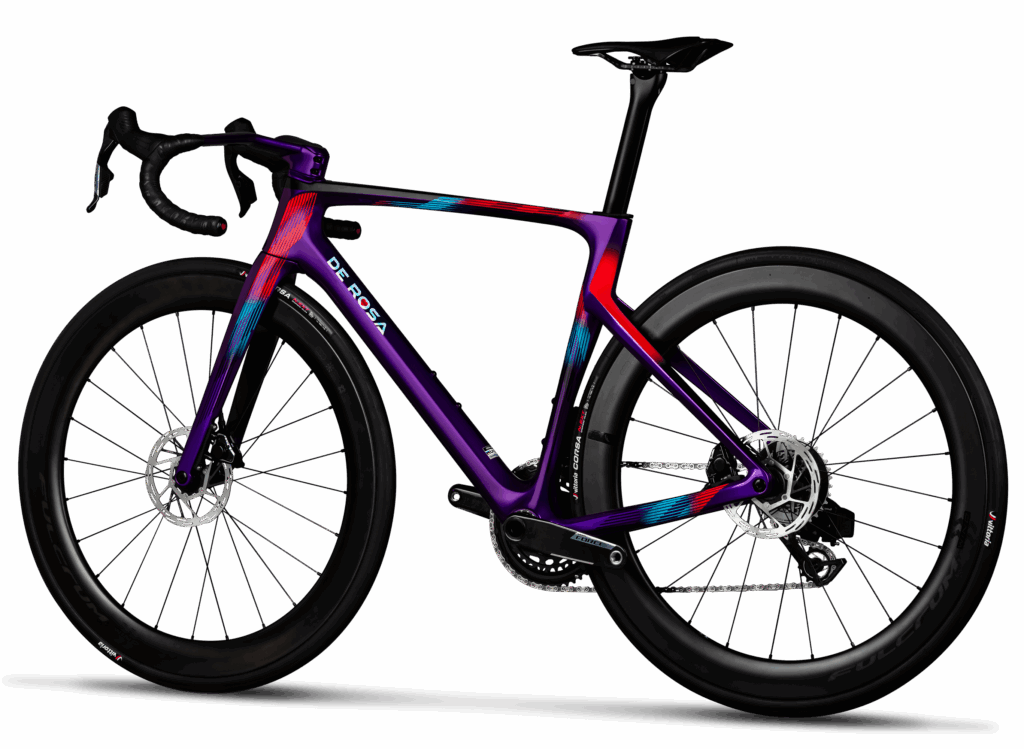
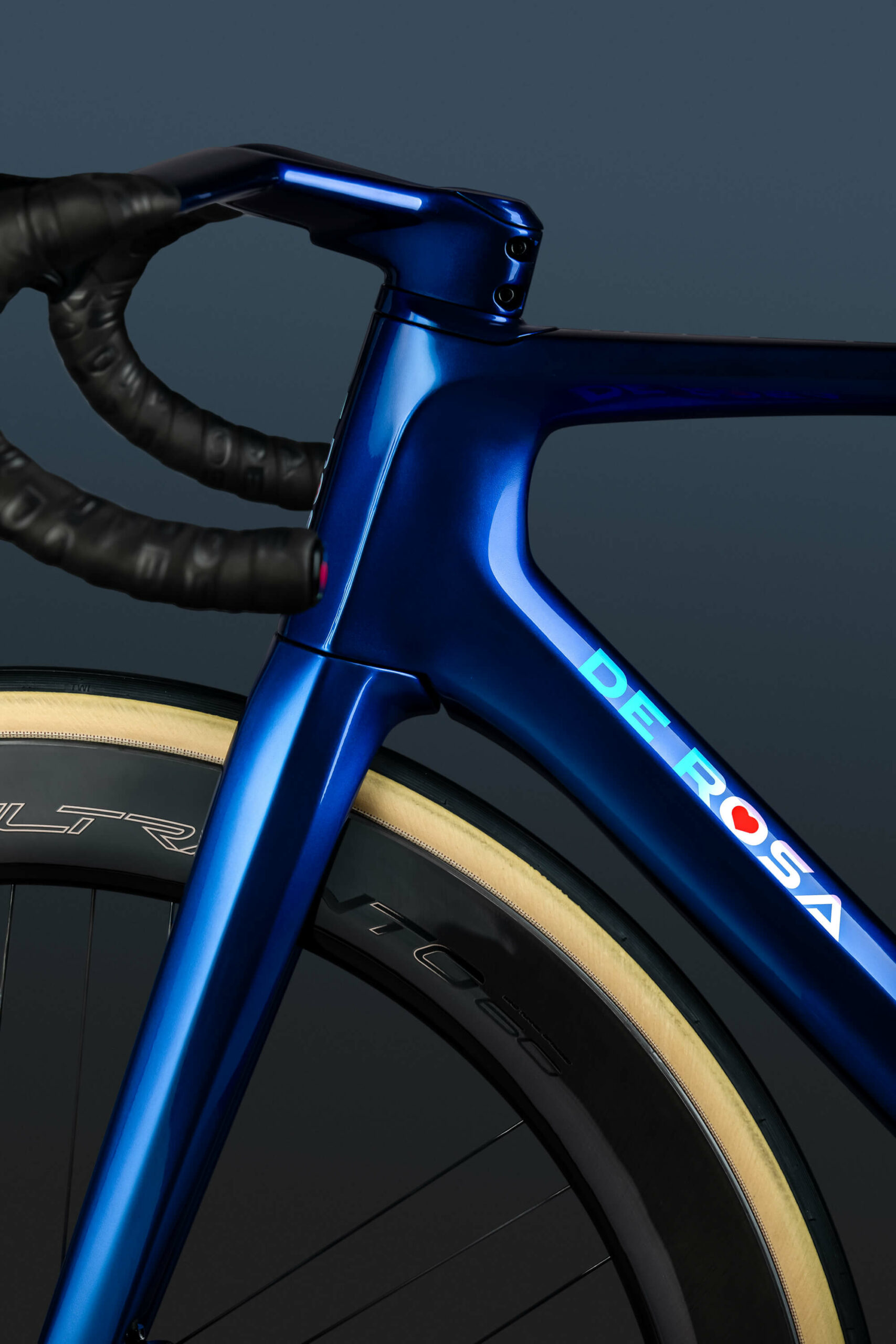
CLASSIC
Pure and essential.
No superfluous marks, no distractions: it's the geometry itself that does all the work.
Clean surfaces, minimal contrast, a discreet logo. Classic is the most essential reading of the Merak project, the one that lets the frame speak before the graphics do.
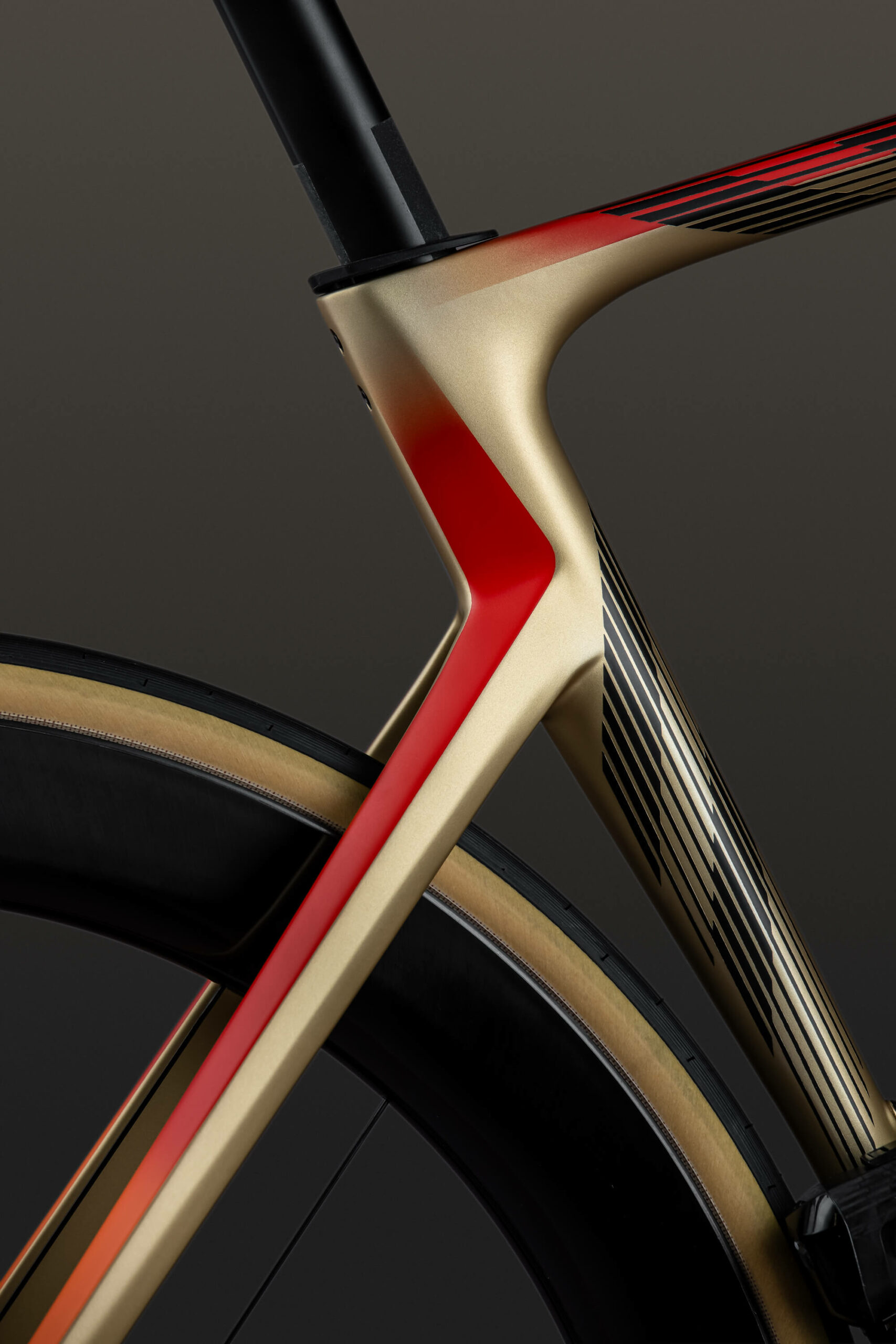
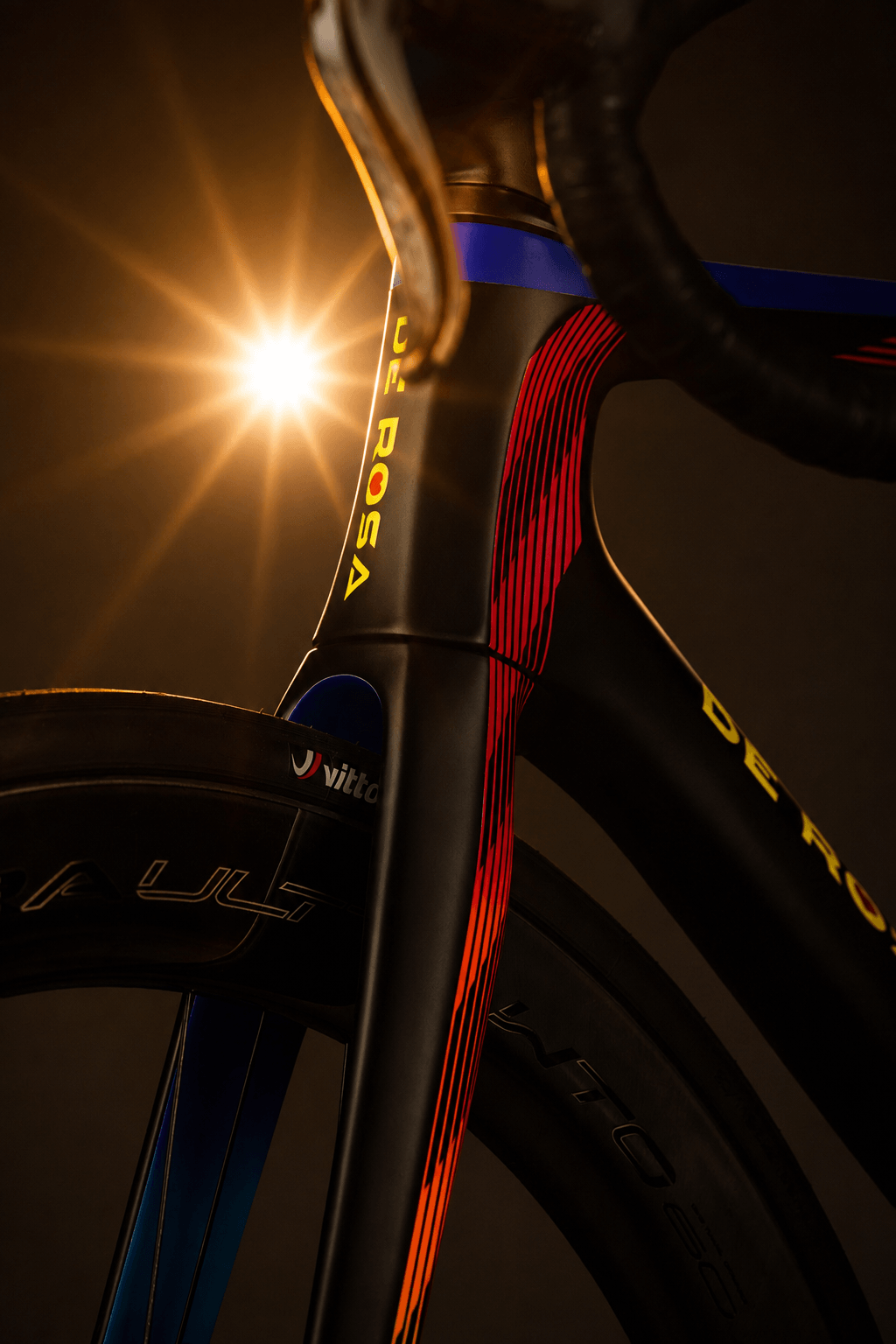
DYNAMIC
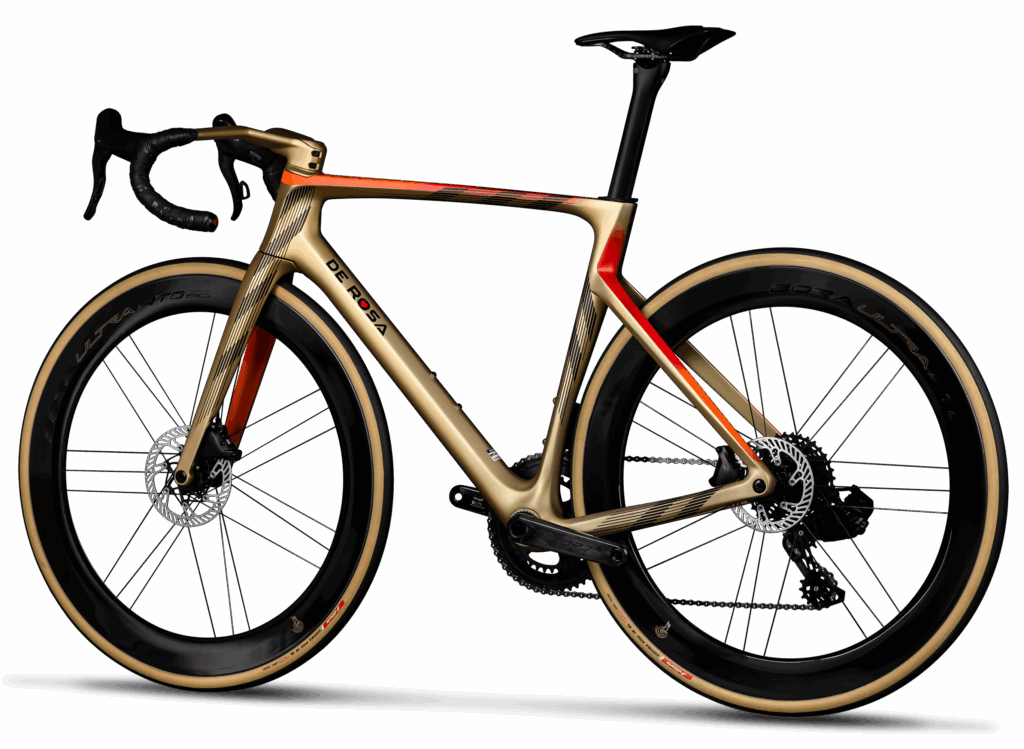
Movement even at a standstill.
Longitudinal lines follow the frame's surfaces and seem to accelerate them, in a more fluid, contemporary graphic language. Dynamic interprets the same technical structure with a bolder mark, for those who want the bike to communicate speed even before getting on the saddle.
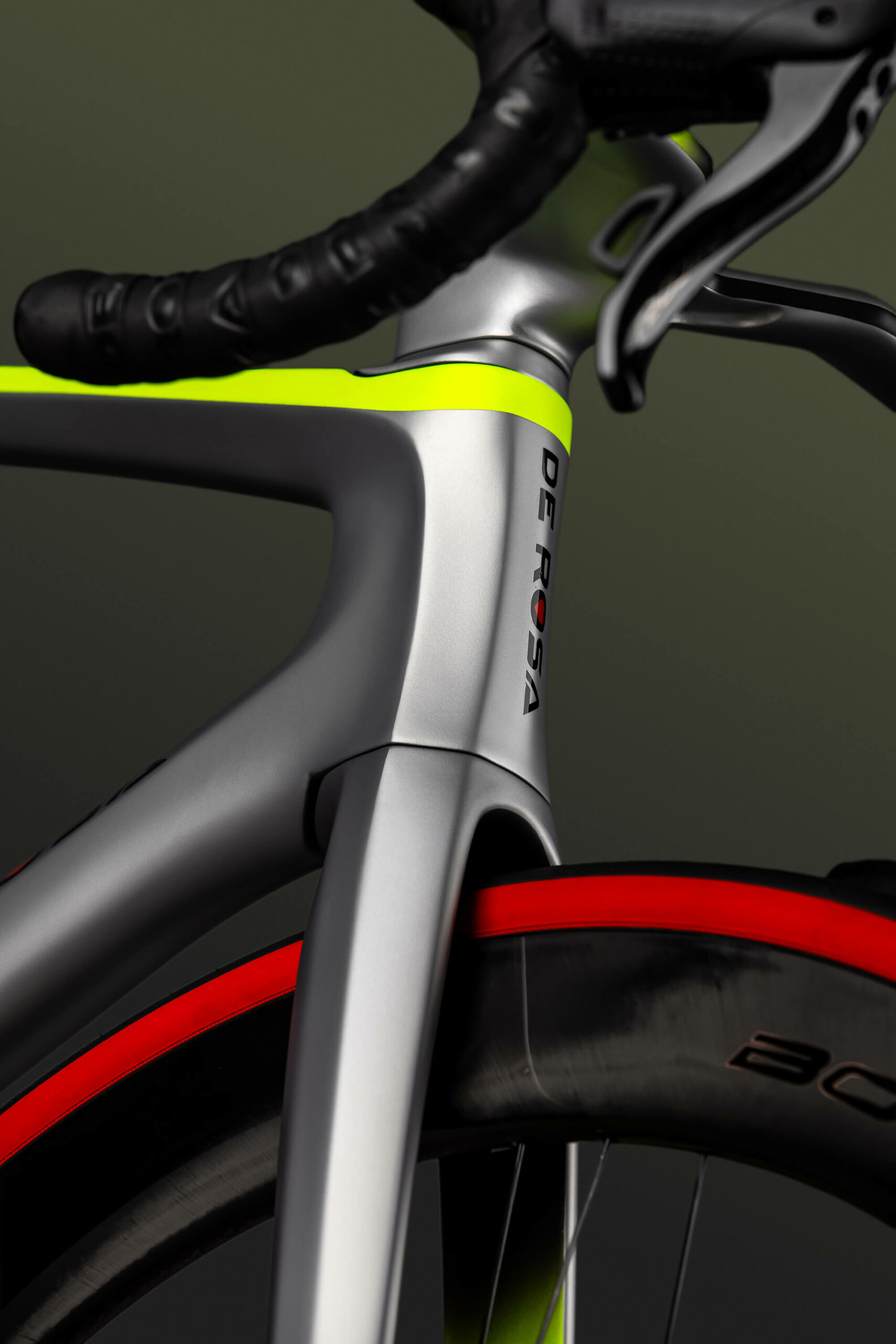
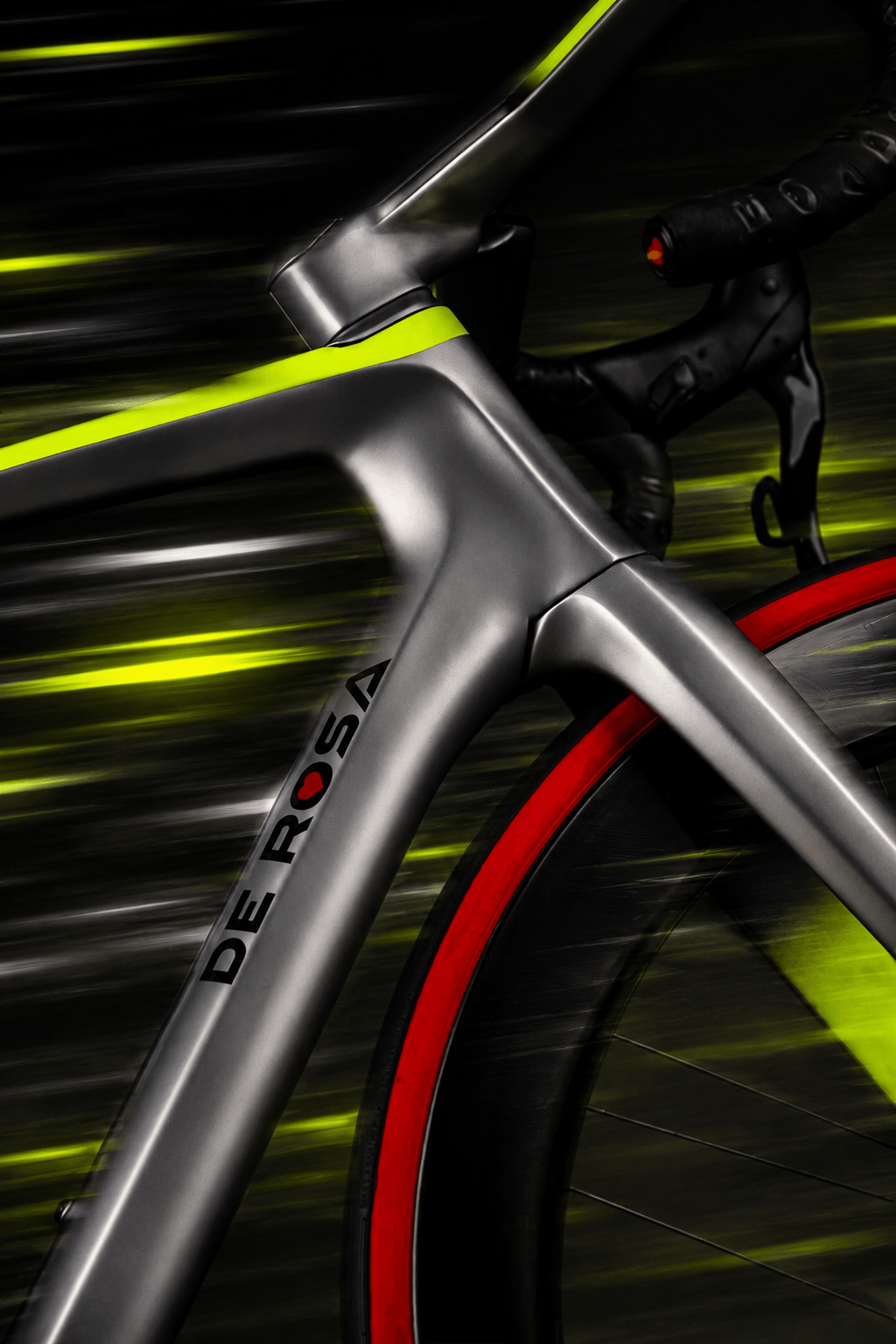
RACE
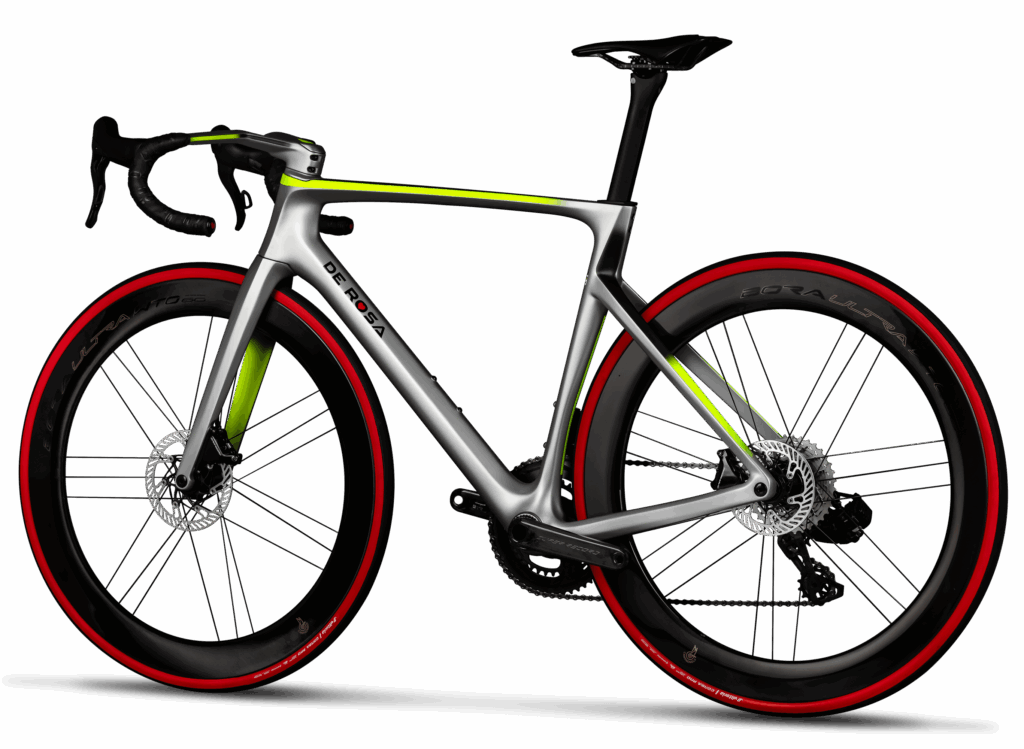
Direct, taut, distraction-free.
It's the most explicitly race-driven reading of Merak: sharp marks, strong contrasts, graphics built to convey an immediate sense of speed. Race adds nothing to the technical project, it simply makes it more explicit, for those who live the bike in competition.
THE HEART DOESN'T DISAPPEAR. IT CHANGES THE WAY IT'S TOLD
Removing one of the brand's most recognizable symbols means entrusting part of its identity to proportions, design, and the frame's own presence. The heart doesn't disappear from the brand. It changes the way it's told.
Geometries
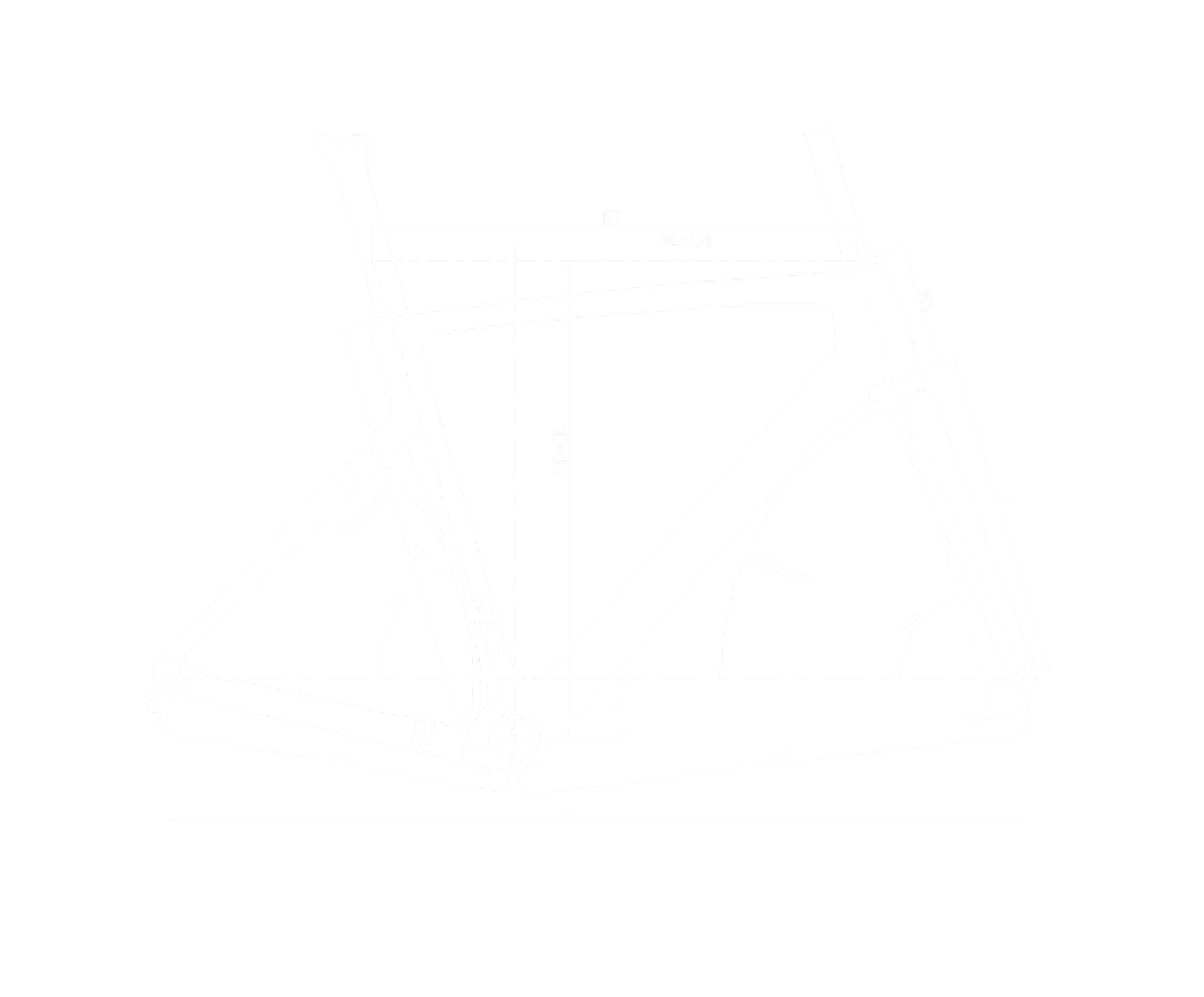
| Size | ET | HS | SA | HA | G | RC | WB | FC | F | OT | STACK | REACH |
|---|---|---|---|---|---|---|---|---|---|---|---|---|
| 425 | 508 | 107 | 74.9 | 70.7 | 70 | 405 | 970.6 | 576 | 371 | 45 | 507 | 371 |
| 445 | 518 | 110.6 | 74.5 | 71.4 | 70 | 405 | 971.6 | 577 | 371 | 45 | 513 | 376 |
| 465 | 529 | 120 | 74.1 | 72 | 70 | 405 | 973.7 | 579 | 371 | 45 | 524 | 380 |
| 480 | 540 | 131.6 | 73.9 | 72.6 | 70 | 405 | 977.7 | 583 | 371 | 45 | 537 | 385 |
| 505 | 551 | 141.5 | 73.9 | 73 | 70 | 405 | 984.7 | 590 | 371 | 45 | 548 | 393 |
| 525 | 563 | 154.7 | 73.7 | 73.1 | 70 | 405 | 993.8 | 599 | 371 | 45 | 561 | 399 |
| 545 | 576 | 167.6 | 73.5 | 73.3 | 70 | 405 | 1002.9 | 608 | 371 | 45 | 574 | 406 |
| 565 | 589 | 185 | 73.1 | 73.4 | 70 | 405 | 1009.9 | 615 | 371 | 45 | 591 | 409 |
FAQ
The frame weighs 700g, the fork 280g. Complete bike weight ranges between 6.9 and 7.1 kg depending on groupset, wheels and configuration.
It's very light and therefore naturally efficient uphill, but calling it simply a "climber" would be reductive: its identity is that of a lightweight all-round racing bike.
Aerodynamics is part of the project, but Merak wasn't designed as a specialized aero bike: its identity is tied to overall performance balance.
None from a technical standpoint: all three versions share the same frame and the same dynamic characteristics. Only graphics, finish and aesthetic interpretation change.
It's a deliberate design choice, to leave more room for geometry and proportions. The heart doesn't disappear from the brand: it changes the way it's told.
Official clearance is 34c. For installations close to the maximum limit, it's advisable to check the combination with your dealer.
A T47, 85.5mm.