Skip to content
Current Language en
  • Cart
  • wishlist Created with Sketch.
Account

Already have an account?

0 Your Cart

No products in the cart.

Home / Story
The story

De Rosa heart

"I AM A MAN WHO GOES STRAIGHT TO THE POINT"

I am a man who goes straight to the point. And, by force of habit, I never look back and count the years I have spent making frames. I prefer to look ahead, because after half a century, I am still convinced that the bicycle has room for improvement. And, just as I have done up till now, in the future too I want to contribute to the evolution of this fascinating vehicle, which at the same time is so simple and so complicated.

Ugo De Rosa
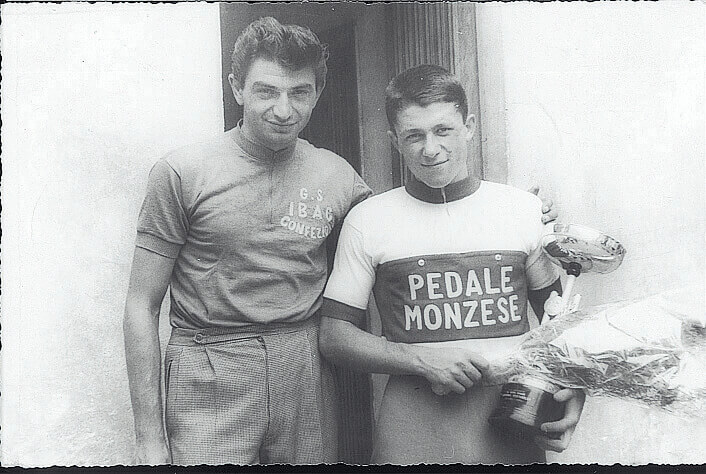
1953
Ugo De Rosa with Germano Ugo De Rosa with Germano

THE BEGINNING

"Nothing extraordinary is ever born from a formula, but from imagining what does not exist and bringing it to life." De Rosa was founded in 1953 from the passion and vision of nineteen-year-old Ugo De Rosa. A rider and technician with boundless love for cycling and precision mechanics, he was determined to turn knowledge and experience into pure craftsmanship. He moved from his brother-in-law’s workshop, where he built and repaired bicycles, to his first shop with a single goal: to build bikes for those who want to win. His racing experience allowed him to understand what a true racing bicycle needs, and his reputation quickly spread among amateur riders in Milan.

1958
1958
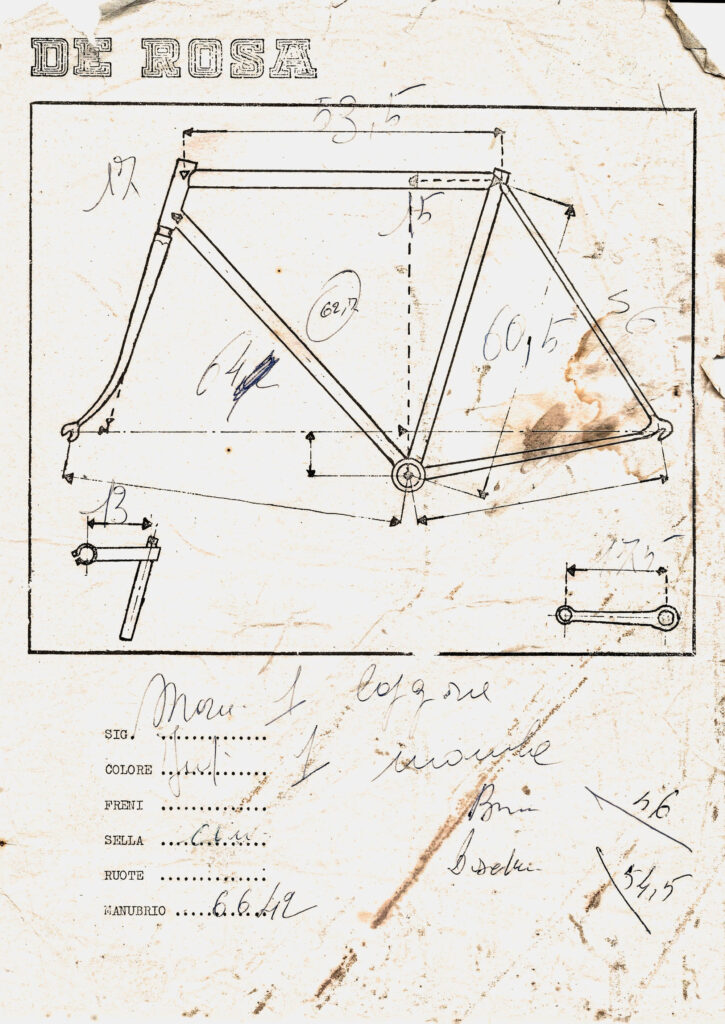
A frame sheet with Ugo’s notes A frame sheet with Ugo’s notes

PROFESSIONALISM

From the very beginning, his ability to build custom frames attracted the attention of cyclists and professionals, making him a reference point in the world of racing bicycles. In 1958, Raphael Geminiani asked him to build a bicycle for an event at the Vigorelli velodrome in Milan. De Rosa bikes became a constant presence in the professional world, even if not yet branded with the De Rosa logo.

1965
1965
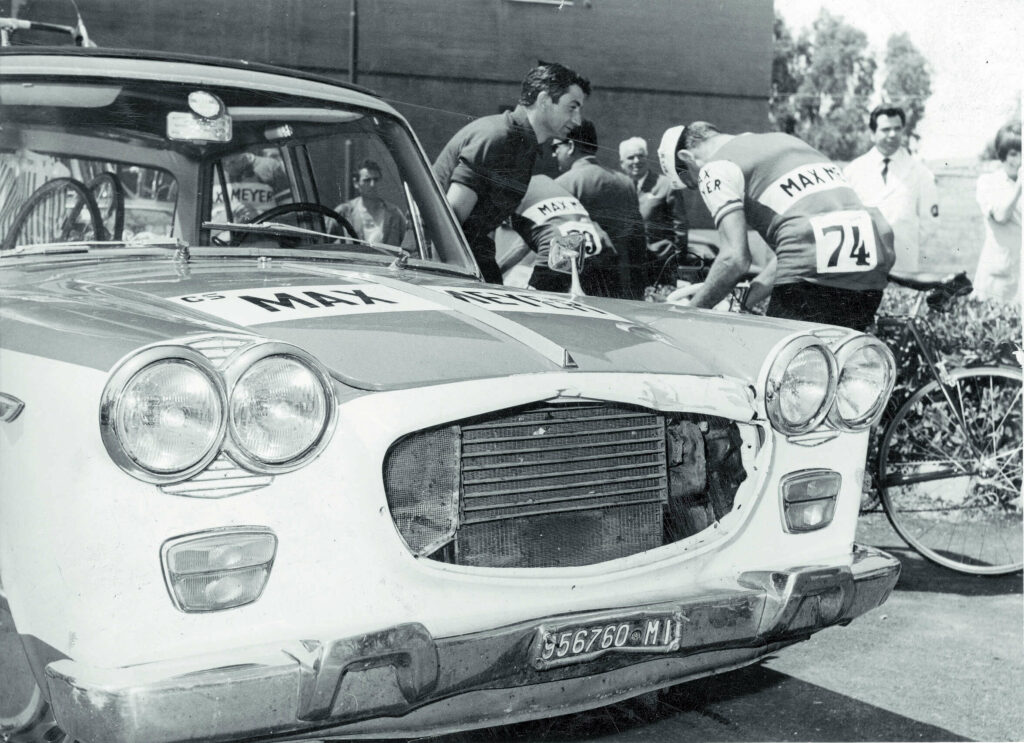
Ugo in the team car for Max Meyer Ugo in the team car for Max Meyer

FULL SPEED AHEAD

From the mid-1960s, De Rosa frames began to cross Italian borders. Amateurs and professionals started racing on De Rosa bikes, and within a few years, frames "Made in Cusano Milanino" expanded first across Europe and then worldwide. Ugo built for Max Meyer and for Gastone Nencini. These were the years when Rik Van Looy won the World Championships: De Rosa was his mechanic, following him in the team car. In 1969, the collaboration with Gianni Motta began and would last throughout his entire career. It was the beginning of an international legend.

1972
1972
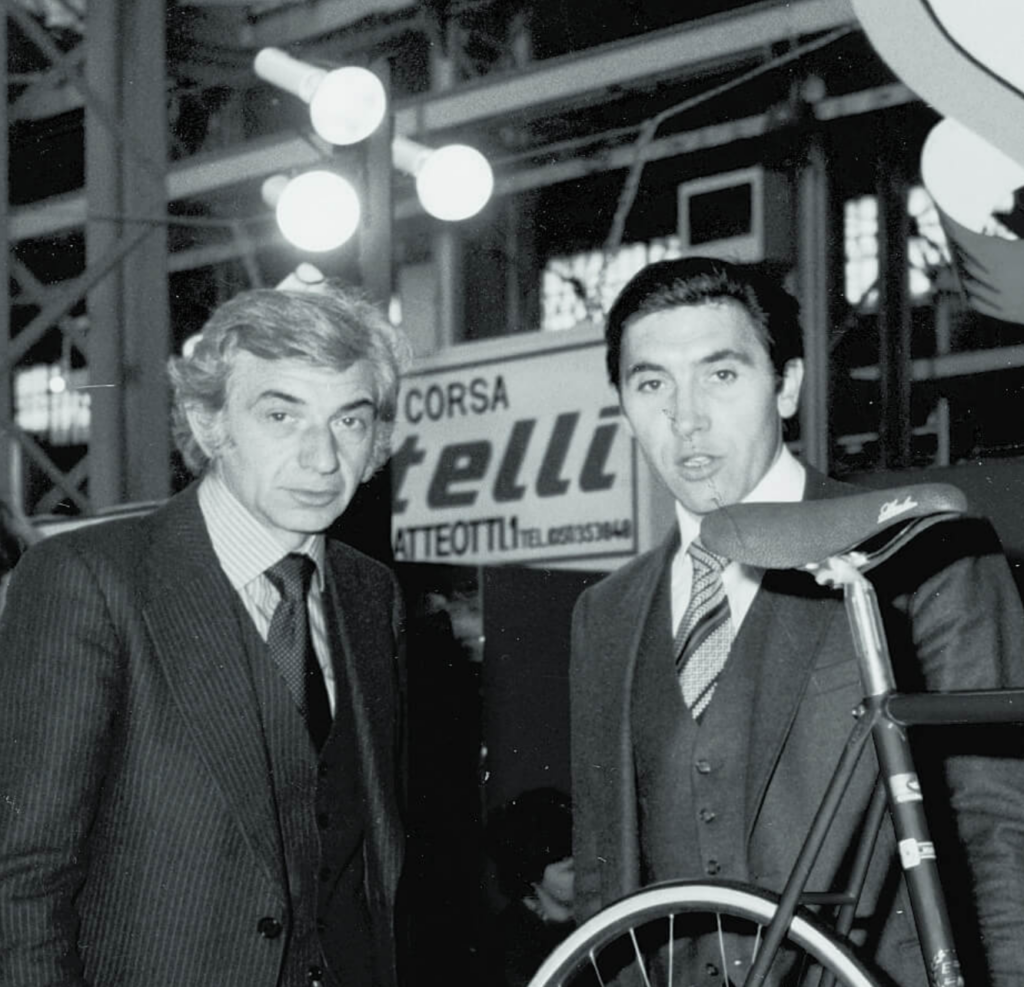
Ugo and Eddy Merckx Ugo and Eddy Merckx

THE BREAKTHROUGH

Eddy Merckx asked Ugo to become his official mechanic at Molteni. This marked the beginning of a historic collaboration and a sincere friendship that would last forever. Merckx was demanding, asking for 50–60 bicycles per season, pushing Ugo to weld even at night, but his sensitivity as a rider helped identify where the bike could be improved. With those bikes, in 1974 he won the Giro d’Italia, Tour de Suisse, Tour de France, and the World Championship in Montreal. In 1976, Ugo also built bikes for Francesco Moser, who went on to win three Paris-Roubaix races with them.

1973
1973
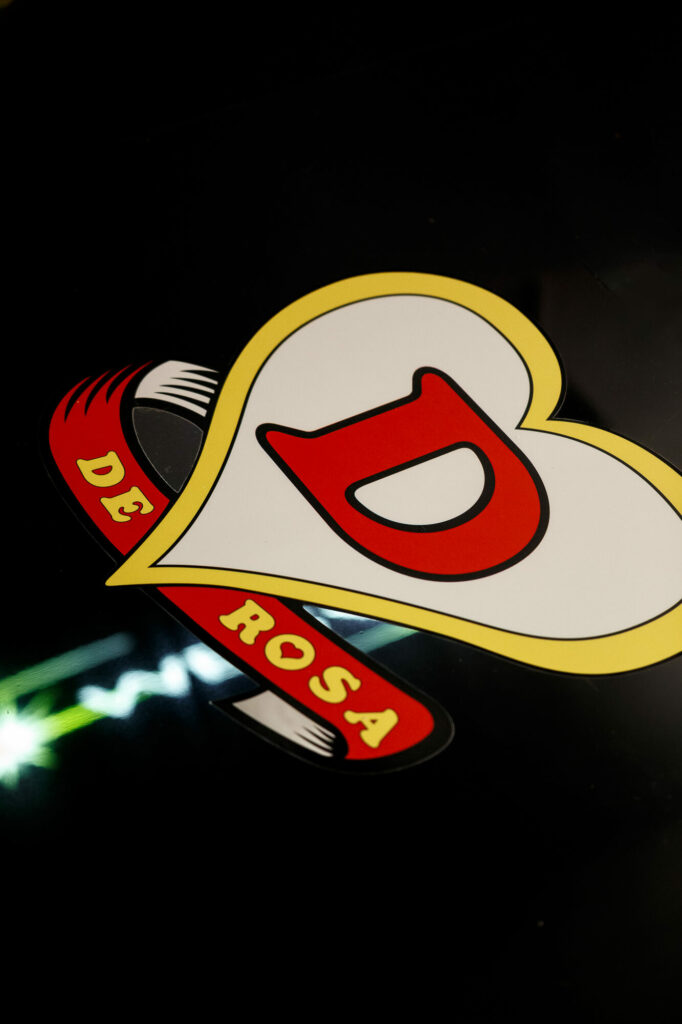
The heart logo The heart logo

THE HEART

Over time, it became a symbol of passion and love for cycling, but it was born from a practical need: drilling holes in the head tube lugs to make the frame lighter—holes that, when combined, resembled a heart. A symbol destined to last was born. In 1973, the Heart appeared for the first time on the bikes of a professional team: G.B.C., with Panizza, Francioni, and Turrini.

1986
1986
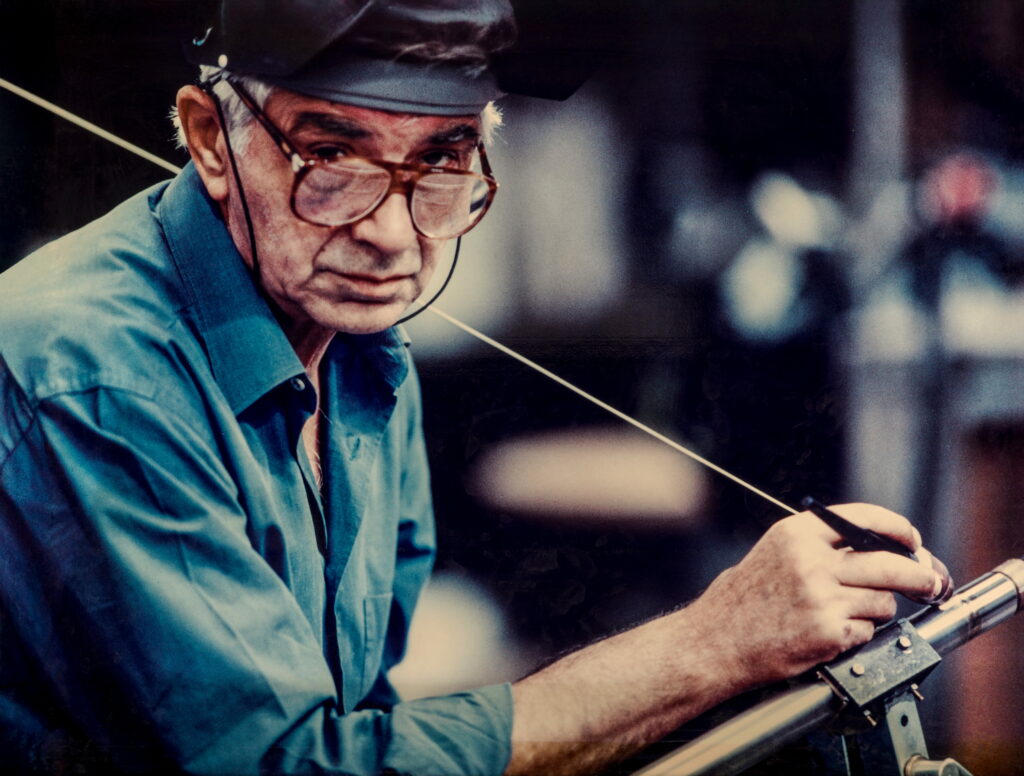
Ugo welding Ugo welding

THE CUSTOM BICYCLE

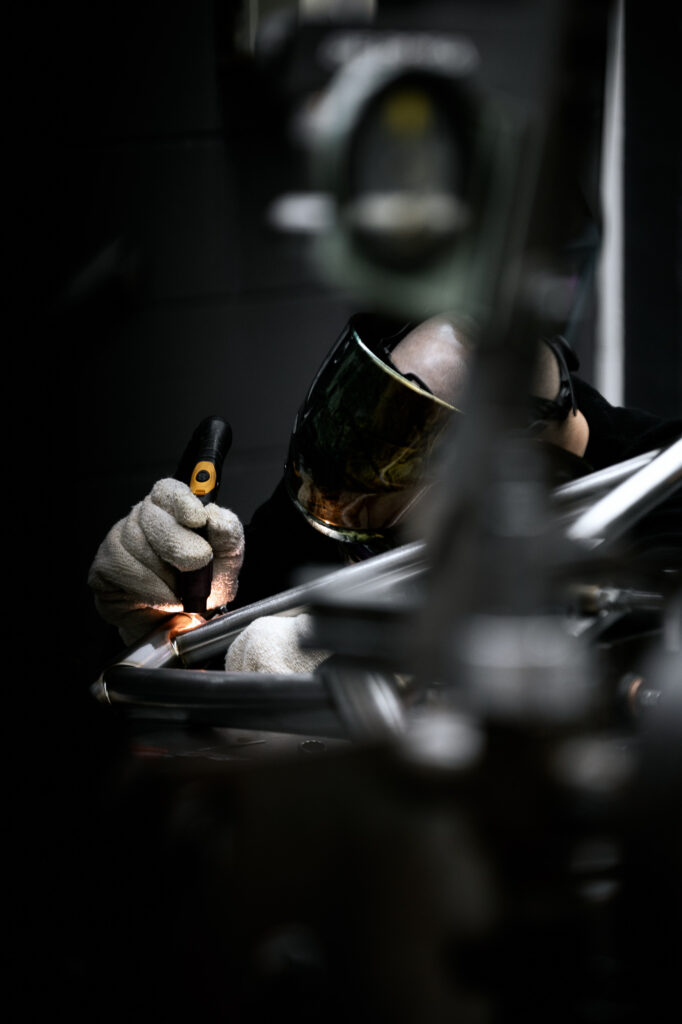
With TIG welding, a new era began: tubes with different shapes, custom geometries, and maximum design freedom. Customization became a method, and the construction philosophy took concrete form. These were the years of Argentin and Baronchelli, symbols of a powerful and elegant cycling era. Technique and identity became a single language.

1993
1993
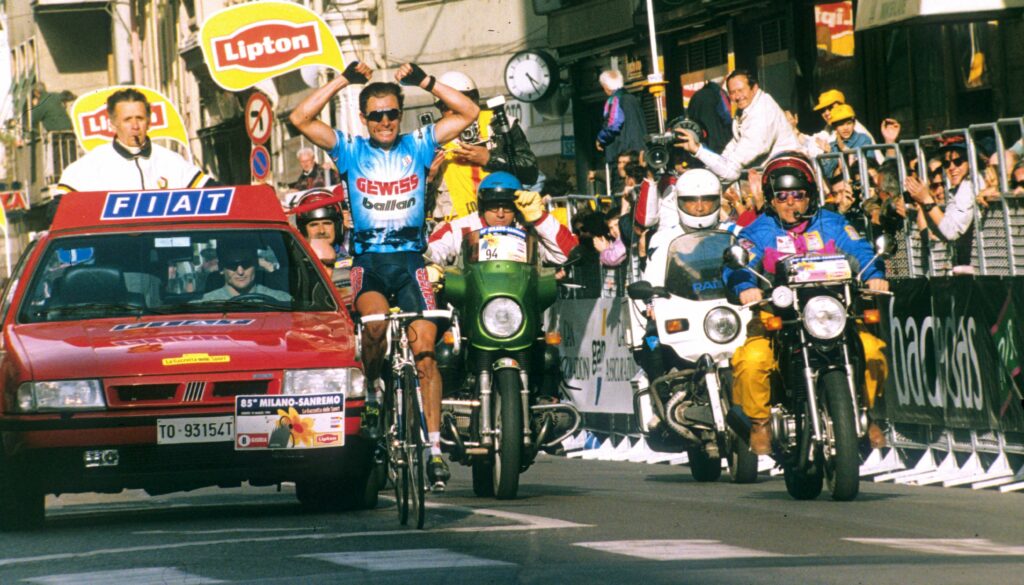
Furlan winning Milano-Sanremo 1994 Furlan winning Milano-Sanremo 1994

Titanium

De Rosa chose to use titanium, a material previously unknown in this field. As strong as steel and as light as aluminum, a De Rosa titanium bike became the official bike of Team Gewiss-Ballan, contributing to the successes of Argentin, Furlan, Berzin, and Ugrumov. The bikes with the heart reached the podium in all the classics, winning Milan–San Remo, Liège–Bastogne–Liège, La Flèche Wallonne, Giro d’Italia, Giro di Lombardia, and placing second at the Tour de France.

1996
1996
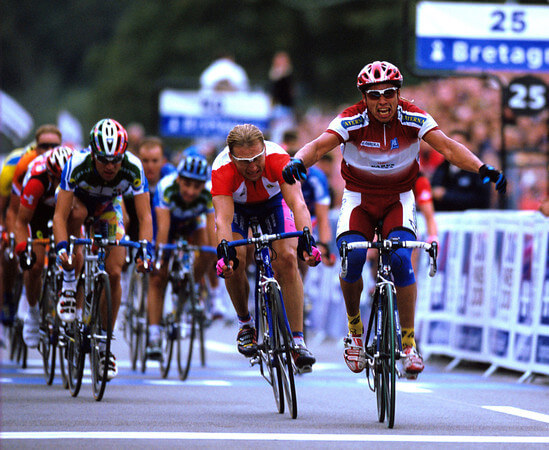
Vainsteins winning the 2000 World Championship on a Merak Vainsteins winning the 2000 World Championship on a Merak

Aluminium

In 1996, aluminum marked another turning point. Ugo sensed a desire for new materials and something different in the cycling world. The frame began to change as larger tube sections allowed for new graphics, opening space for emotions and color. Thus began the rise of this technically versatile, lightweight, and responsive metal that enabled high performance. The Merak became the frame that symbolized “a technical and emotional shift,” achieving successes with Casagrande (second at the Giro d’Italia), Pellizzotti, and Caucchioli.

1997
1997
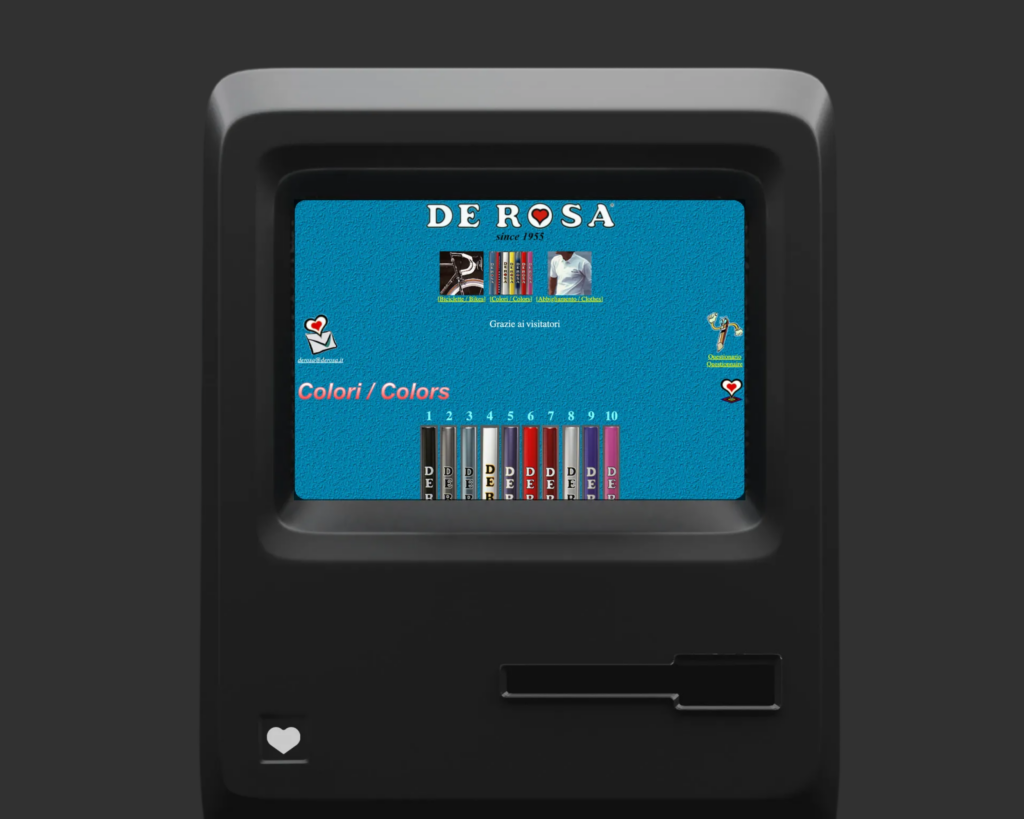
First De Rosa website homepage First De Rosa website homepage

THE FIRST WEBSITE

In 1997, De Rosa entered the web, anticipating the digital era. Not just a website, but an extension of the workshop: tactile in its feel, evocative in its imagery, capable of telling the story of metal and speed. A decidedly visionary choice for the time and for a bicycle manufacturer, already reflecting the brand’s forward-thinking nature.

2000
2000
Carbon fiber Carbon fiber

CARBON

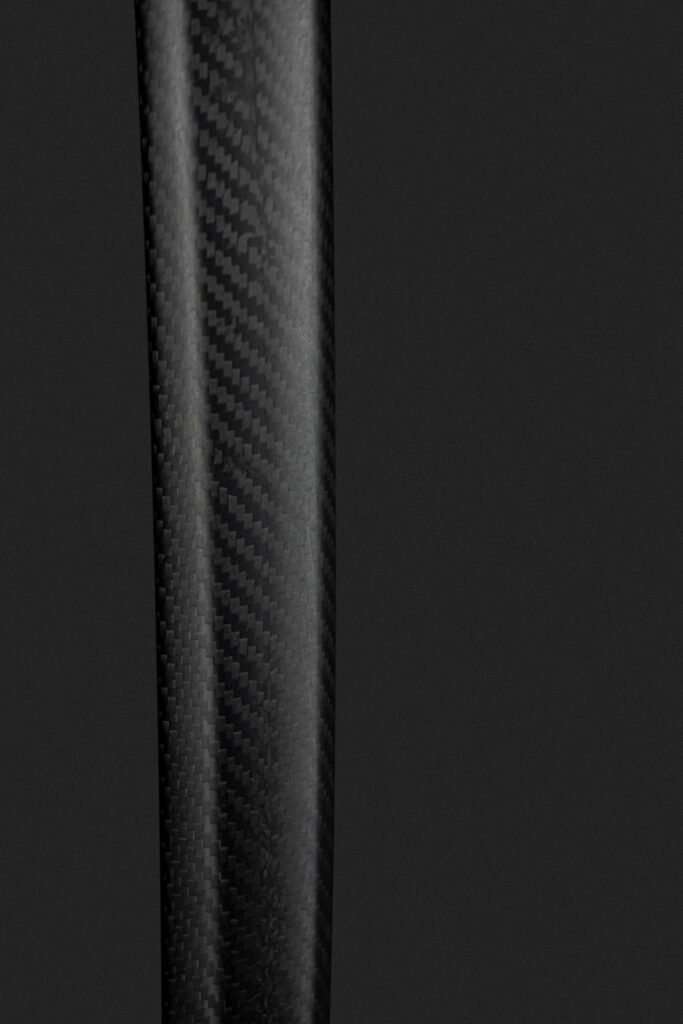
Danilo and Cristiano understood that evolution is born on the road: innovation lives in the minds, sensations, and desires of those who ride. The future was carbon, and its manifesto was the KING. With improvements in resins and bonding, carbon became for De Rosa the ideal material to pursue its philosophy of “one-to-one” craftsmanship—its own definition of custom.

2003
2003
The De Rosa Cinquanta The De Rosa Cinquanta

50 YEARS

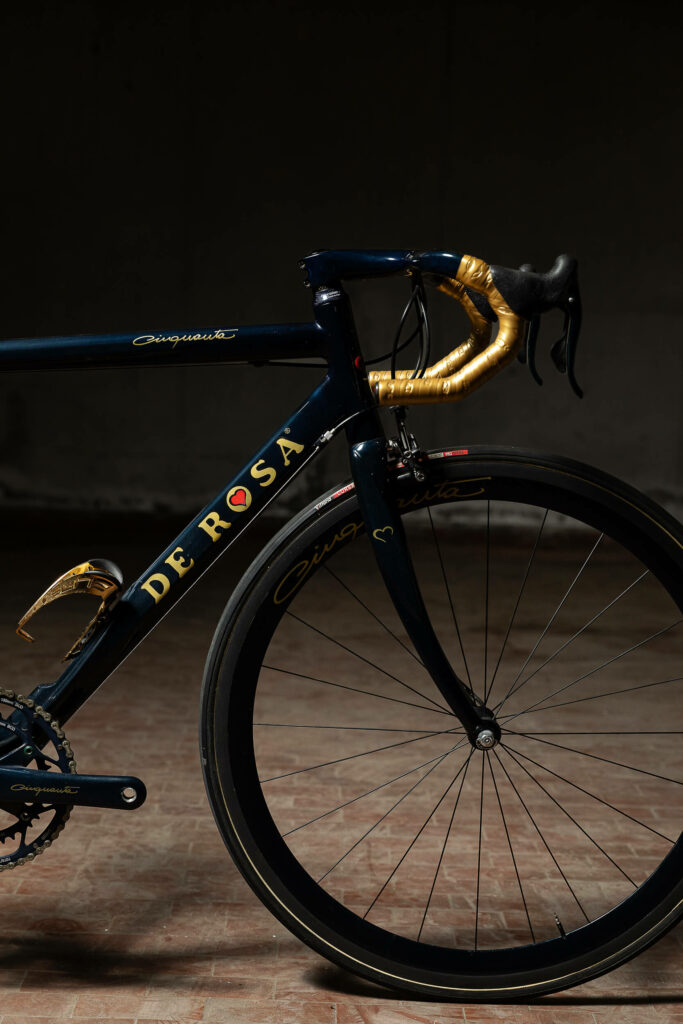
To celebrate the company’s 50th anniversary, De Rosa introduced the Cinquanta, a commemorative model released under the KING X-light brand. The era of the modular frame began: five modular monocoque parts. The frame became fully carbon, and weights started to drop—down to 1,000 grams for a medium size. The KING X-light was chosen by Savoldelli, Garzelli, and Tonkov.

2006
2006
Monocoque frames in production Monocoque frames in production

MONOCOQUE FRAME

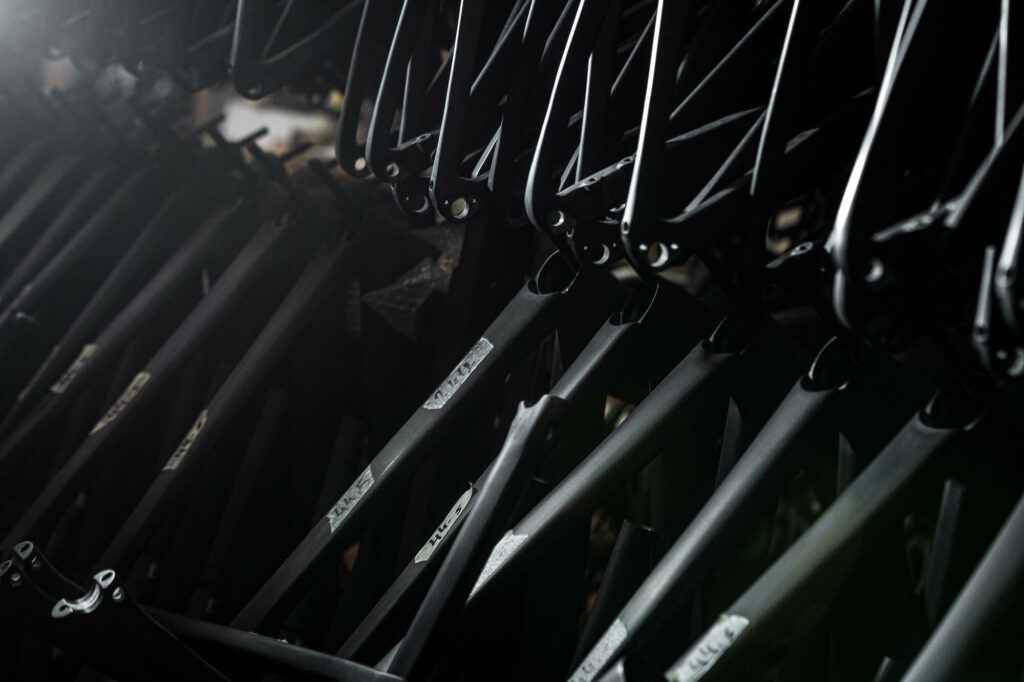
With the monocoque, the frame changed in both form and substance: less weight, more responsiveness, total control. The KING3 was born, the third version of the frame that best represents the company’s research and development. Made from 1K carbon fiber, a premium material, the KING3 gained recognition both in Italy and abroad. These were the years of Di Luca and Petacchi, key riders whose sensitivity and collaboration helped refine the bike. Carbon dominated, but De Rosa remained one of the few companies to continue producing across all four materials.

2013
2013
The De Rosa Sessanta in titanium The De Rosa Sessanta in titanium

60, BLACK LABEL

De Rosa celebrated its 60th anniversary with Sixty, a book telling its story—a tribute to its roots and a foundation for its future vision. In the same year, the Black Label line debuted: four models, four symbolic materials (steel, titanium, aluminum, and carbon), reinterpreted with a contemporary approach combining innovation and elegance.

2015
2015
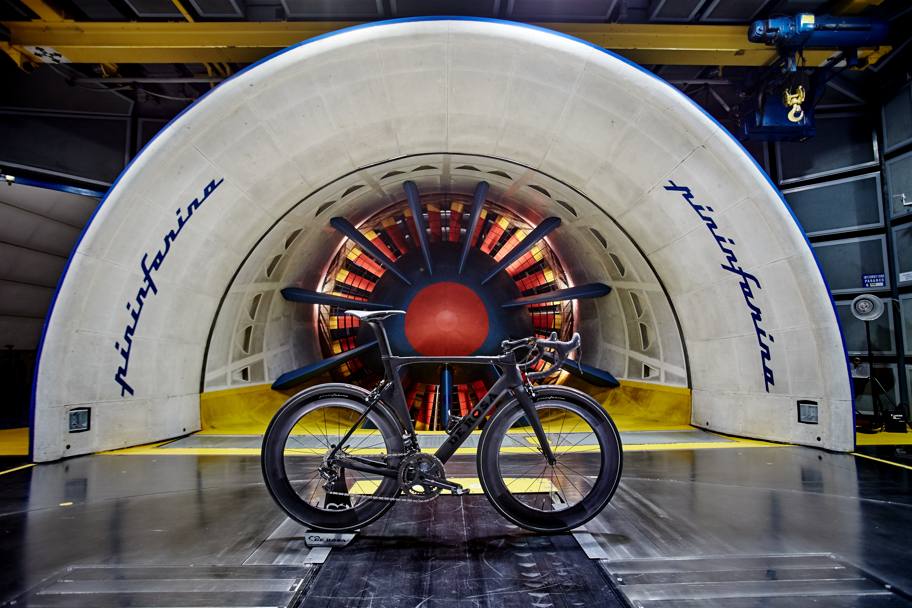
SK Pininfarina in the wind tunnel SK Pininfarina in the wind tunnel

DE ROSA & PININFARINA

De Rosa and Pininfarina, both globally recognized for heritage, innovation, and history, joined forces to work on a shared project. Design and performance merged into a work of Italian engineering, created to stand out on any road. From this meeting of two Italian excellences came an exclusive, ultralight, aerodynamic bike: the SK Pininfarina. 950 grams of carbon that quickly became the bike of professional teams such as Cofidis with Elia Viviani and Nippo-Vini Fantini.

2018
2018
Welding in the workshop Welding in the workshop

A STATEMENT OF INTENT

Anima is born, and titanium—gradually replaced over the years by aluminum and carbon—returns to a central role at De Rosa. The name encapsulates the essence of a material that has symbolized culture and craftsmanship for over 25 years. Choosing a titanium bike means choosing a machine that stands the test of time, both mechanically and aesthetically.
A bicycle that tells a story of use, resilience, and nobility—one that best embodies our concept of Made in Italy and Tailor Made.

2019
2019

VISUAL IDENTITY

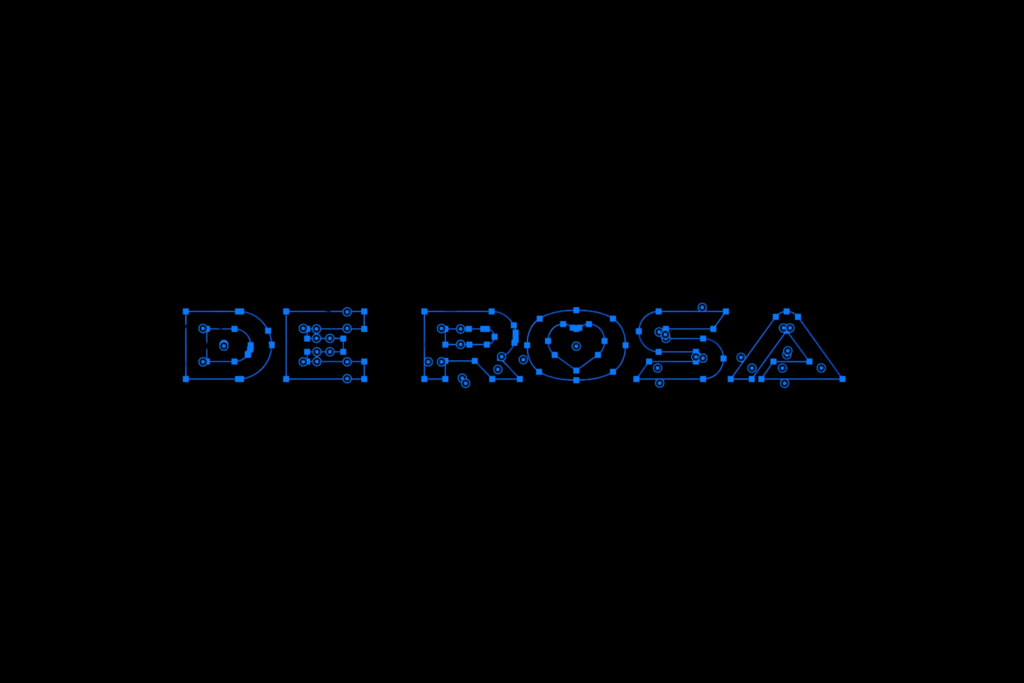
The 2019 rebranding, developed in collaboration with Pininfarina, gave life to the current version of the logo, aiming to merge the brand’s historical heritage with a contemporary and dynamic vision. The lettering retains De Rosa’s distinctive character while adopting more modern and faster forms. The iconic heart, the central element of the logo, continues to embody an authentic love for the bicycle, reinterpreted with a more essential, forward-looking design.

2023
2023
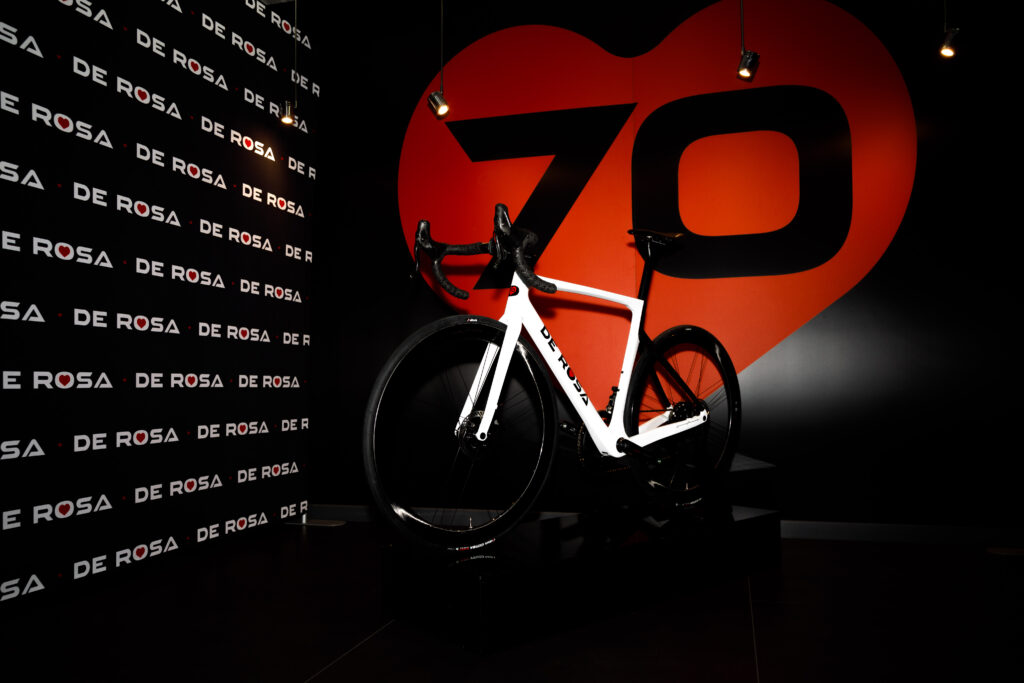
De Rosa 70 at the Headquarter in Cusano Milanino De Rosa 70 at the Headquarter in Cusano Milanino

70, THE REDEFINED BIKE

730 grams of ambition, 22 months of development driven by obsessive attention to every detail, and 8 prototypes brought to life the 70, the most advanced De Rosa ever. Heart, technology, and uncompromising emotion, in a design signed by Pininfarina, set a new benchmark to surpass. The 70 represents the highest expression of modern De Rosa philosophy: “evolution in tradition”—carrying forward 70 years of accumulated expertise while adapting it to the needs of the contemporary cyclist. A vision that earned it the Good Design Award in 2024.

2023
2023
Cristiano in the Butega during a visit Cristiano in the Butega during a visit

THE BUTEGA

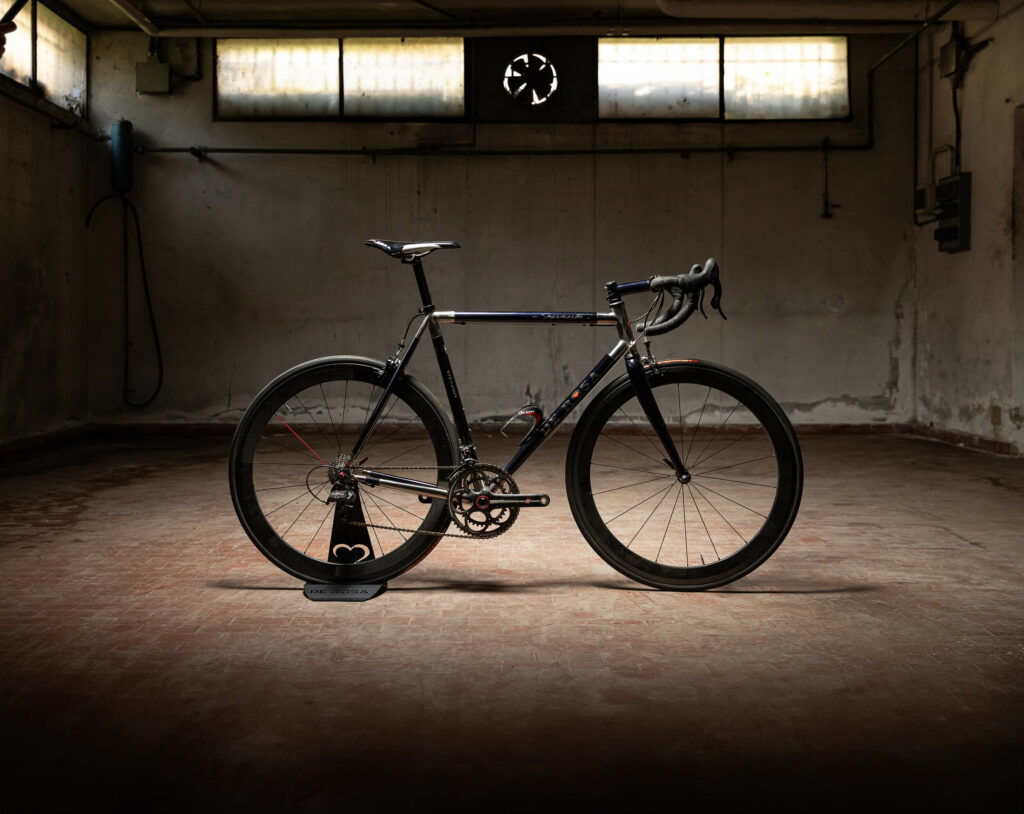
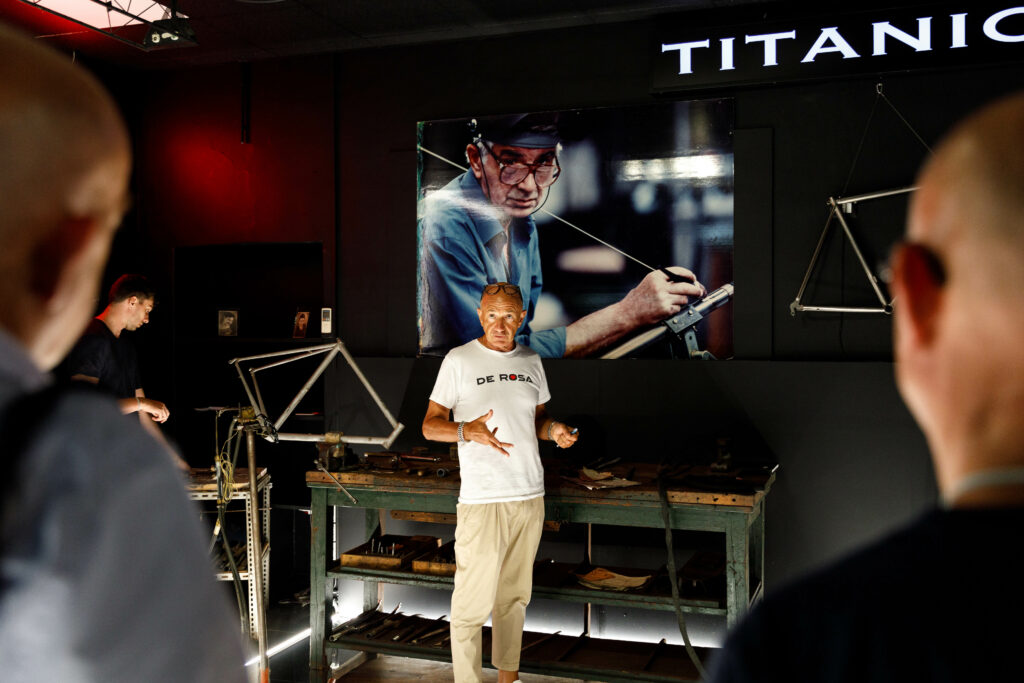
The Butega is reborn. The first operational headquarters of Ugo De Rosa in Cusano Milanino, restored and transformed, becomes a showroom and museum open to visitors alongside the De Rosa family. An immersive and sensory experience—a place where the past engages with the present and inspires the future of our family’s brand, symbolizing respect for origins and the desire to pass on an extraordinary story.

2024
2024
De Rosa Family as a sense of belonging De Rosa Family as a sense of belonging

DE ROSA DAY

The need for a closer and more genuine dialogue with the community led to the organization of the first live event: a day together starting with a coffee at the Heartquarter, a ride up the Ghisallo, pasta and beers in the workshop among the frames, a conversation with Tonelli and Nicholas—rider and mechanic of Team Bardiani—and a timed wheel-change challenge. Thus, the De Rosa Family and De Rosa Day were born, with the goal of making it an annual tradition.

2025
2025
A detail of Idol A detail of Idol

CONTINUOUS EVOLUTION

25 years of carbon craftsmanship and 20 years of the IDOL in the collection provide the opportunity to celebrate a new milestone with a new version of one of De Rosa’s most iconic models. Every fiber tells our story: a continuous curve across generations, passion, and technique. It is the line of our history—an uninterrupted evolution. The new Idol once again convinces and wins, for the second time, the “Bike of the Year – powered by Grinta!” award.

Rely on an expert form De Rosa's Team

Need help?
Mail us
Join the De Rosa Family

Share your email today and receive a heartfelt 10% discount on your first order. Become part of the De Rosa Family, where every journey is an adventure shared together.